










April 3, 2026
Glass Containers Vs Plastic: A 2025 Life Cycle Analysis of Eco-Conscious Brand Managers
For a long time, the glass versus plastic conversation felt straightforward. One was seen as practical, the other as premium. But in 2025, that neat comparison doesn’t really hold up anymore. Packaging decisions have become layered. Brand managers aren’t just thinking about cost or convenience; they’re looking at where materials come from, how they’re used, and what happens after the product is gone. That’s where glass sustainable packaging and the role of glass container manufacturers start to matter in a much more real way.
Looking Beyond First Impressions
Plastic still tends to win at first glance. It’s lighter, easier to move around, and often cheaper to produce. On paper, it looks efficient. But once you zoom out and look at the full lifecycle, things get more complicated. From raw material extraction to disposal, plastic carries a kind of long-term impact that isn’t always visible upfront.
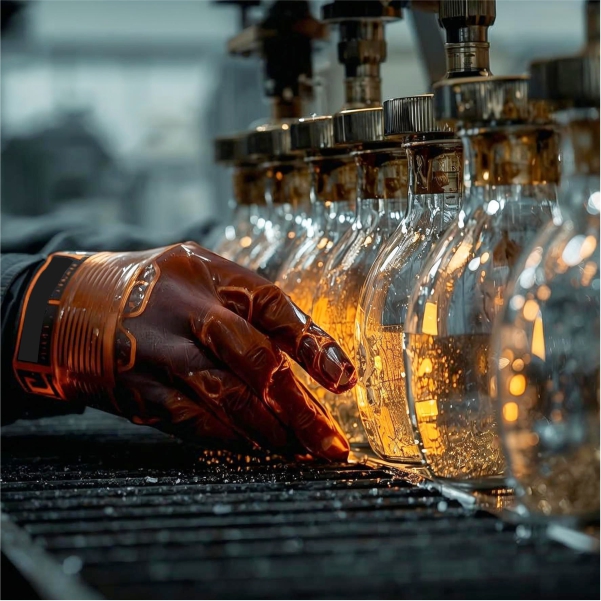
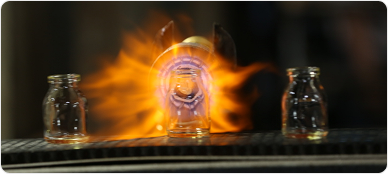
Glass works differently. It demands more effort at the beginning – more energy, more precision, but it tends to even out over time. It can be recycled again and again without losing quality, and in some cases, it doesn’t even need to be recycled immediately because it can simply be reused. That’s where glass sustainable packaging starts to feel like a more grounded choice, something glass container manufacturers have been gradually improving over the years.
It’s fair to say that glass isn’t perfect. Manufacturing does require more energy, and that’s often the first concern raised. But what’s interesting now is how that part of the process is evolving. Many glass container manufacturers are increasing their use of recycled glass and upgrading their systems to be more energy-efficient. It’s not a complete solution, but it’s a clear shift in the right direction.
Production vs Longevity
Plastic, by comparison, might seem easier at the production stage, but it rarely offers the same lifespan. Once it’s used, it’s often discarded, and from there, it tends to linger, sometimes for decades. When brands start thinking in terms of years instead of weeks, glass sustainable packaging begins to make more sense.
Where Design Comes In
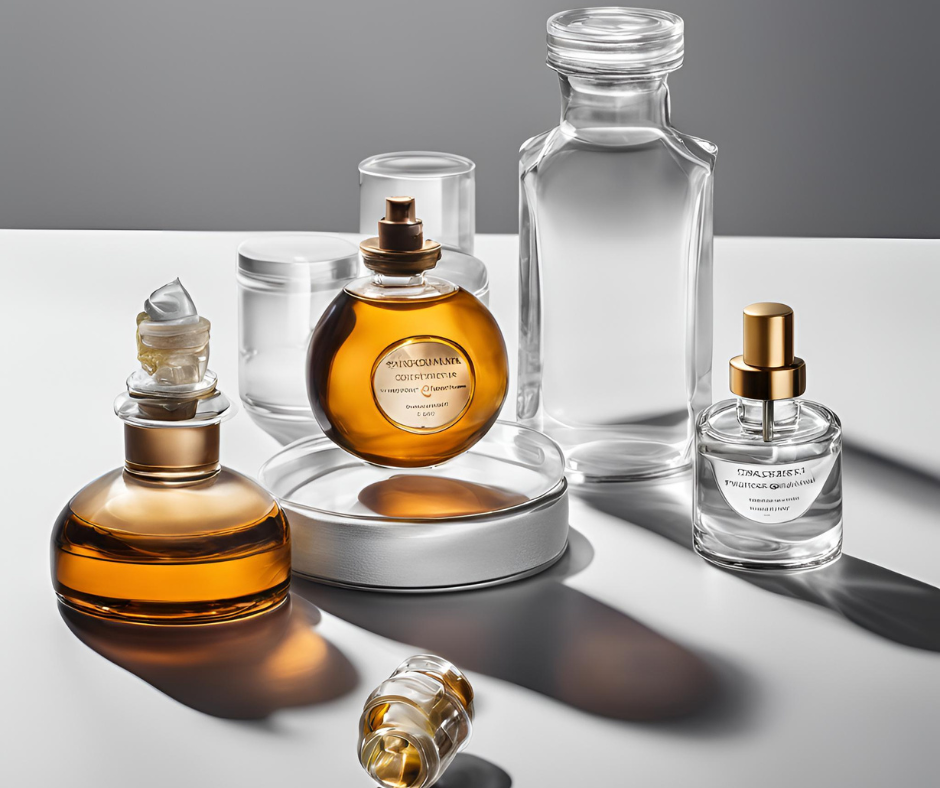
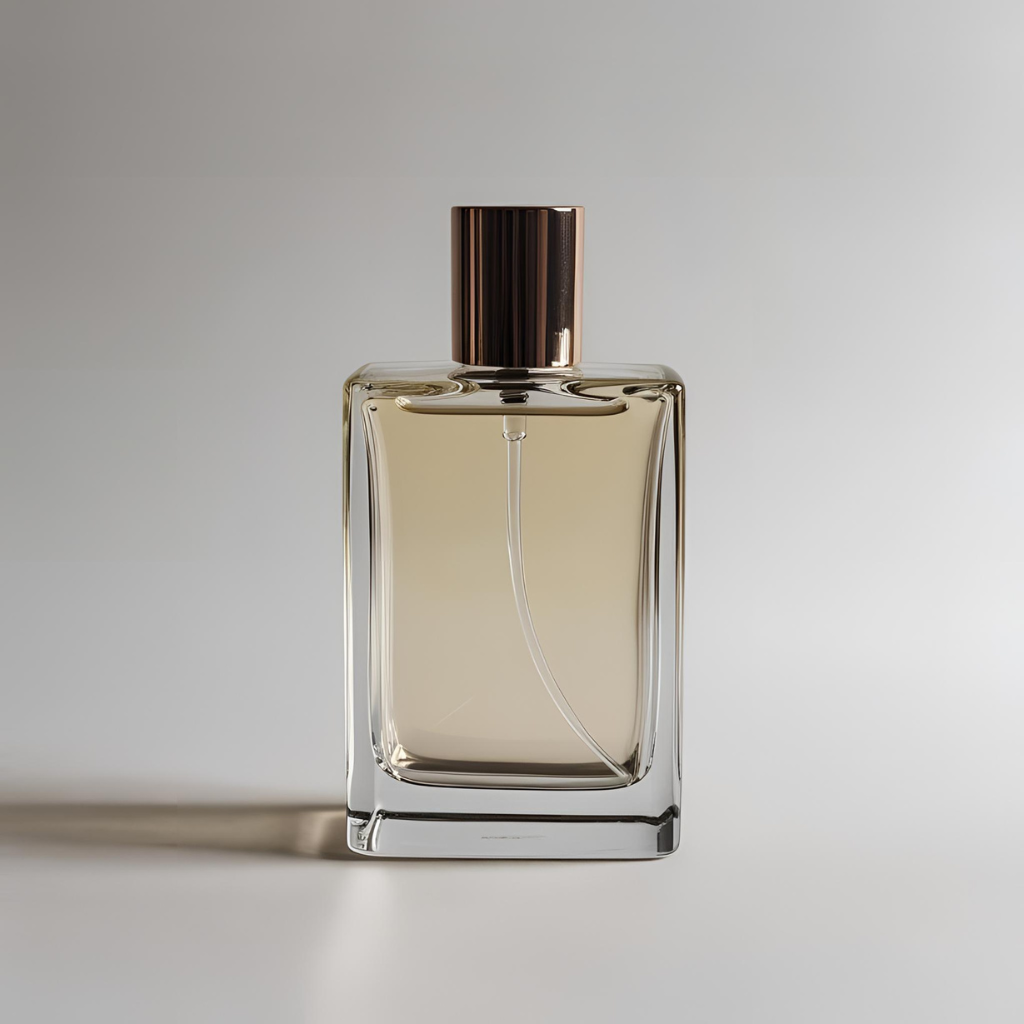
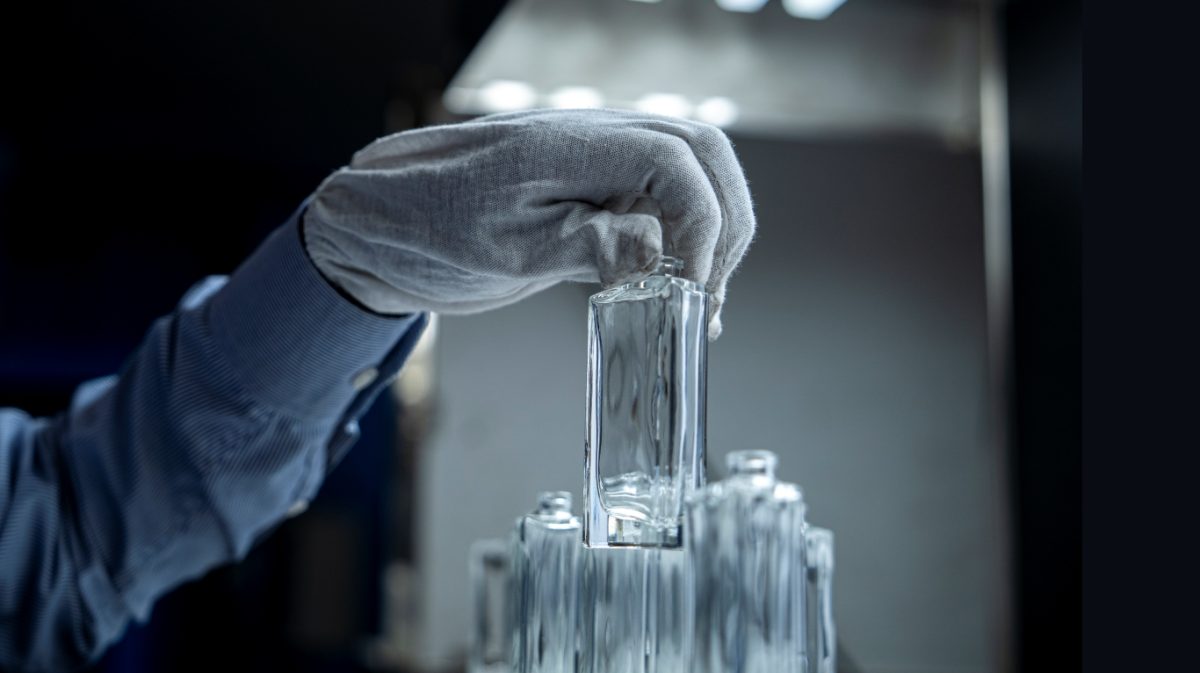
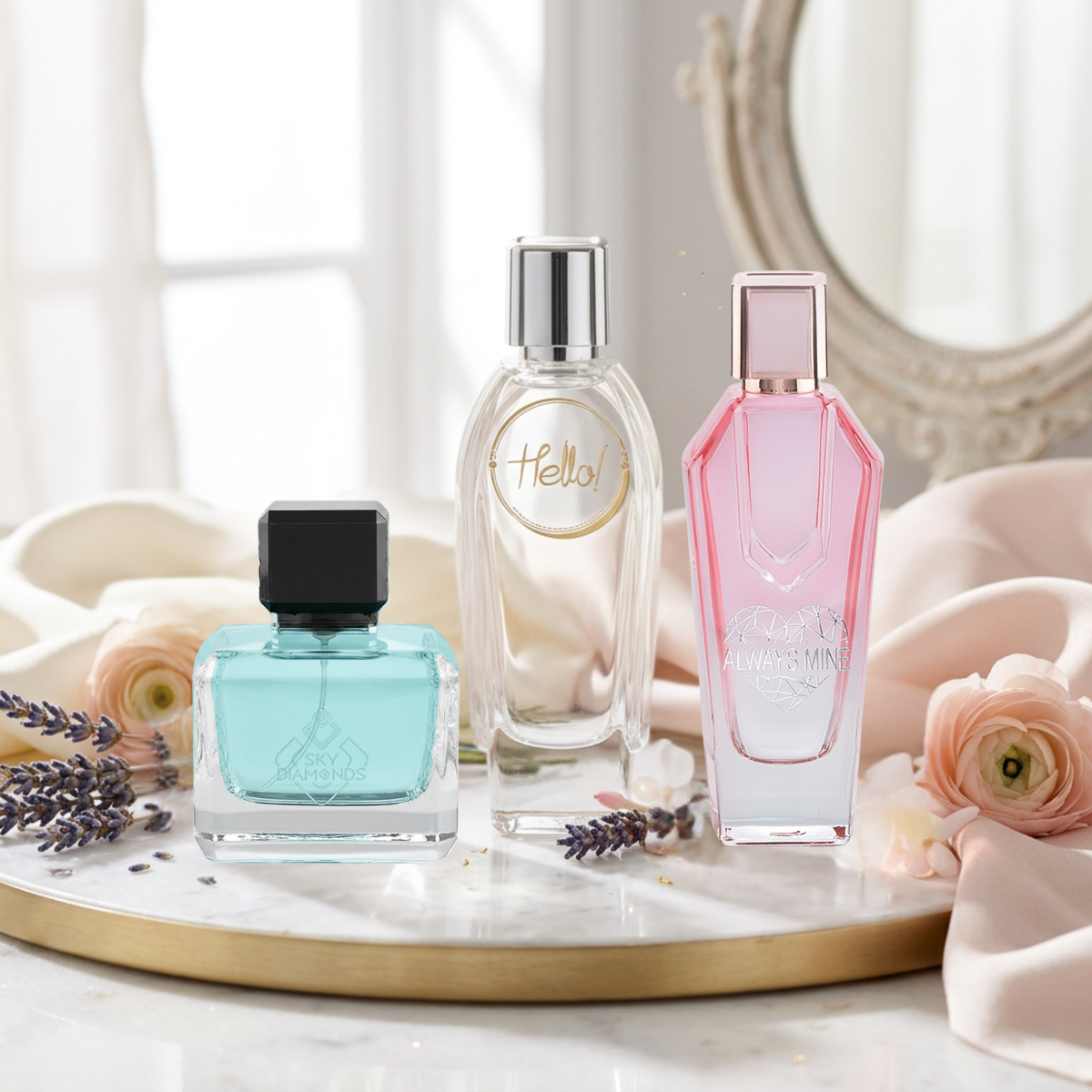
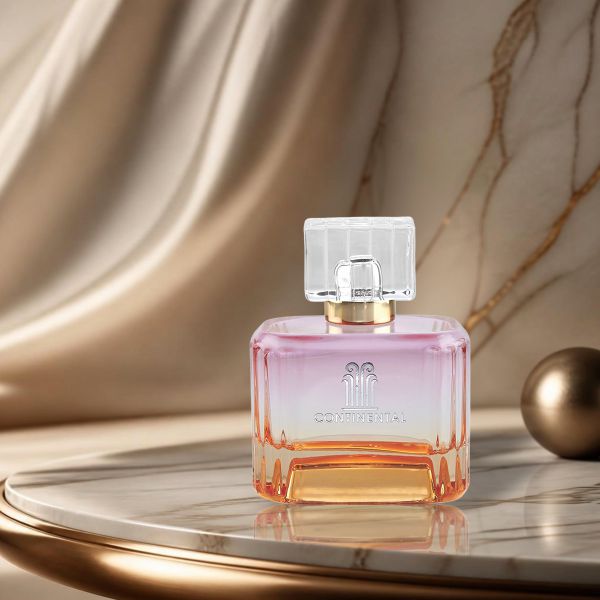
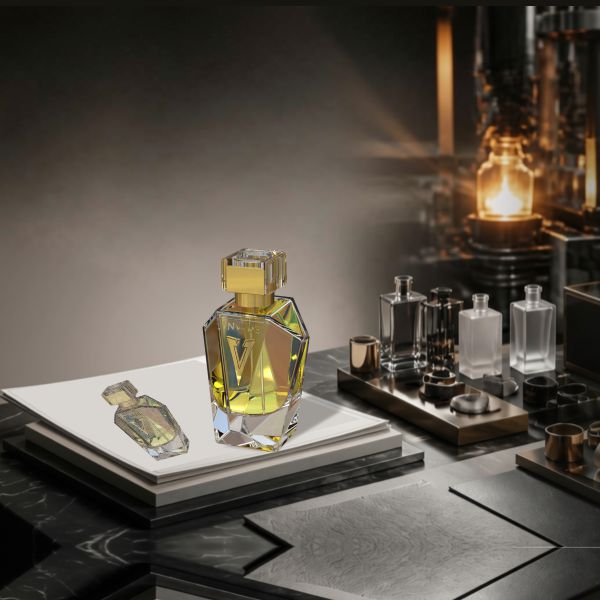
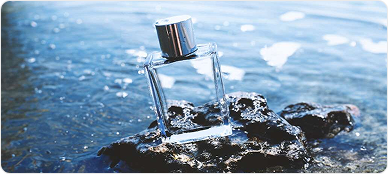
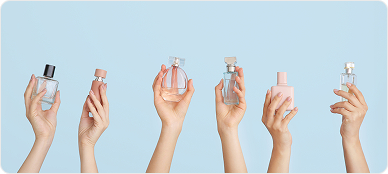
Design has taken on a different role in all of this. It’s no longer just about shelf appeal. It’s also about how long something remains usable. Glass naturally lends itself to that idea. A well-made perfume bottle, or even an empty perfume bottle, doesn’t feel like waste once the product is finished. It still has a presence. It can be reused, refilled, or kept.
This is where glass sustainable packaging fits comfortably into premium branding. For glass container manufacturers, the focus has shifted toward creating pieces that can handle repeated use without losing their finish or structure, especially in beauty and personal care.
A Case in Point: Dot & Key
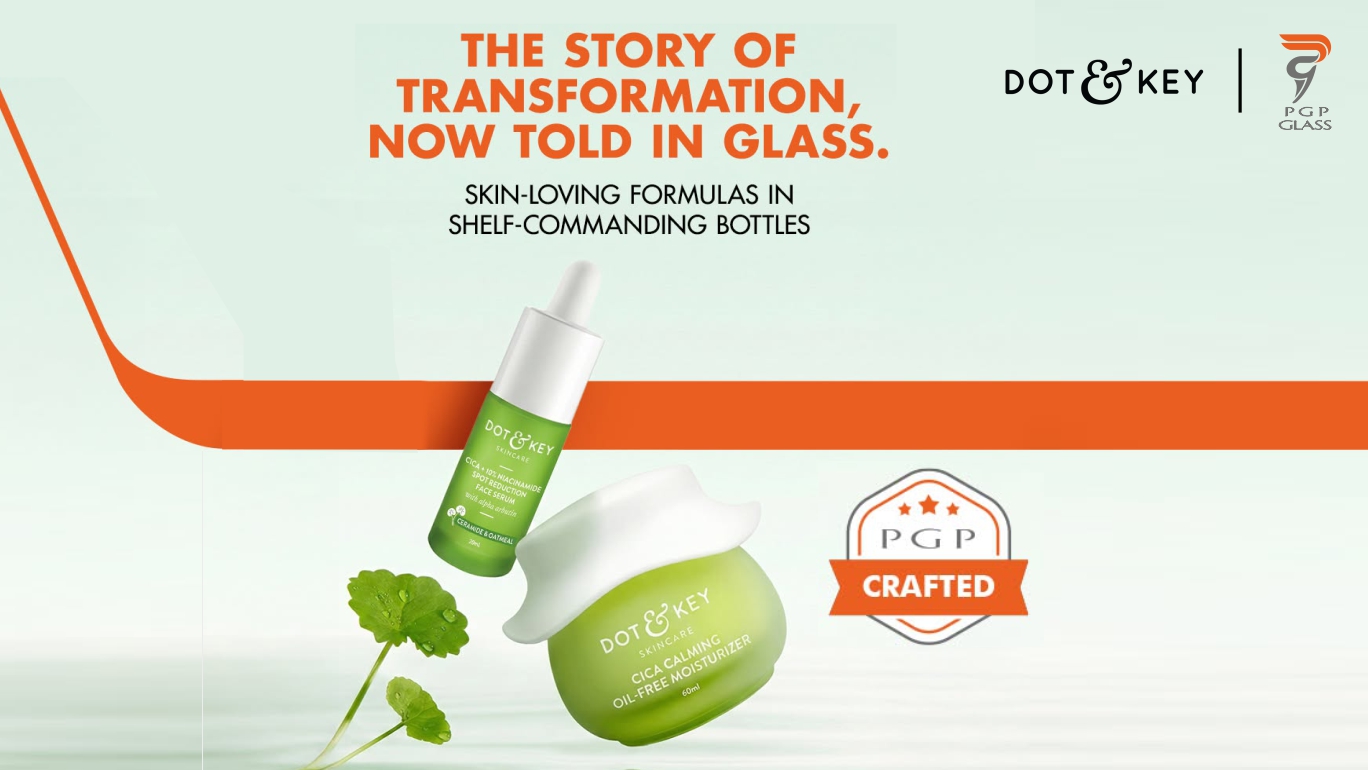
You can see this shift in brands like Dot & Key. Over time, they’ve moved toward packaging choices that feel more considered. It’s not about making a loud statement, but about small, consistent decisions. By incorporating glass alongside recyclable materials, they’ve found a way to balance functionality with responsibility.
In cases like this, packaging stops being just a container. It becomes part of the overall experience. Working with skilled glass container manufacturers also gives brands the flexibility to explore formats like refill systems or coordinated options, such as empty jars for cosmetics, without compromising design or quality consistency.
What Brand Managers Are Really Thinking About
The questions brand managers are asking today are a bit different from before. It’s less about immediate savings and more about long-term value. What lasts? What reflects the brand honestly? What makes sense beyond the first use? Those questions tend to circle back to glass sustainable packaging and what modern glass container manufacturers are capable of delivering. There’s also a growing sense that consumers are paying attention. Packaging that feels durable or reusable carries a different kind of weight and doesn’t get dismissed as easily.
The conversation around glass and plastic isn’t going to disappear. If anything, it’s becoming more detailed, more thoughtful. Quick comparisons are giving way to a broader view – one that considers the entire lifecycle. For brands willing to think a little further ahead, glass sustainable packaging offers a more balanced path. And as glass container manufacturers continue to refine how glass is made and used, that choice is becoming easier to act on, not just in theory, but in practice.