









September 3, 2026
Fragrance Bottle Manufacturers: Design, Material Selection, and Production Insights
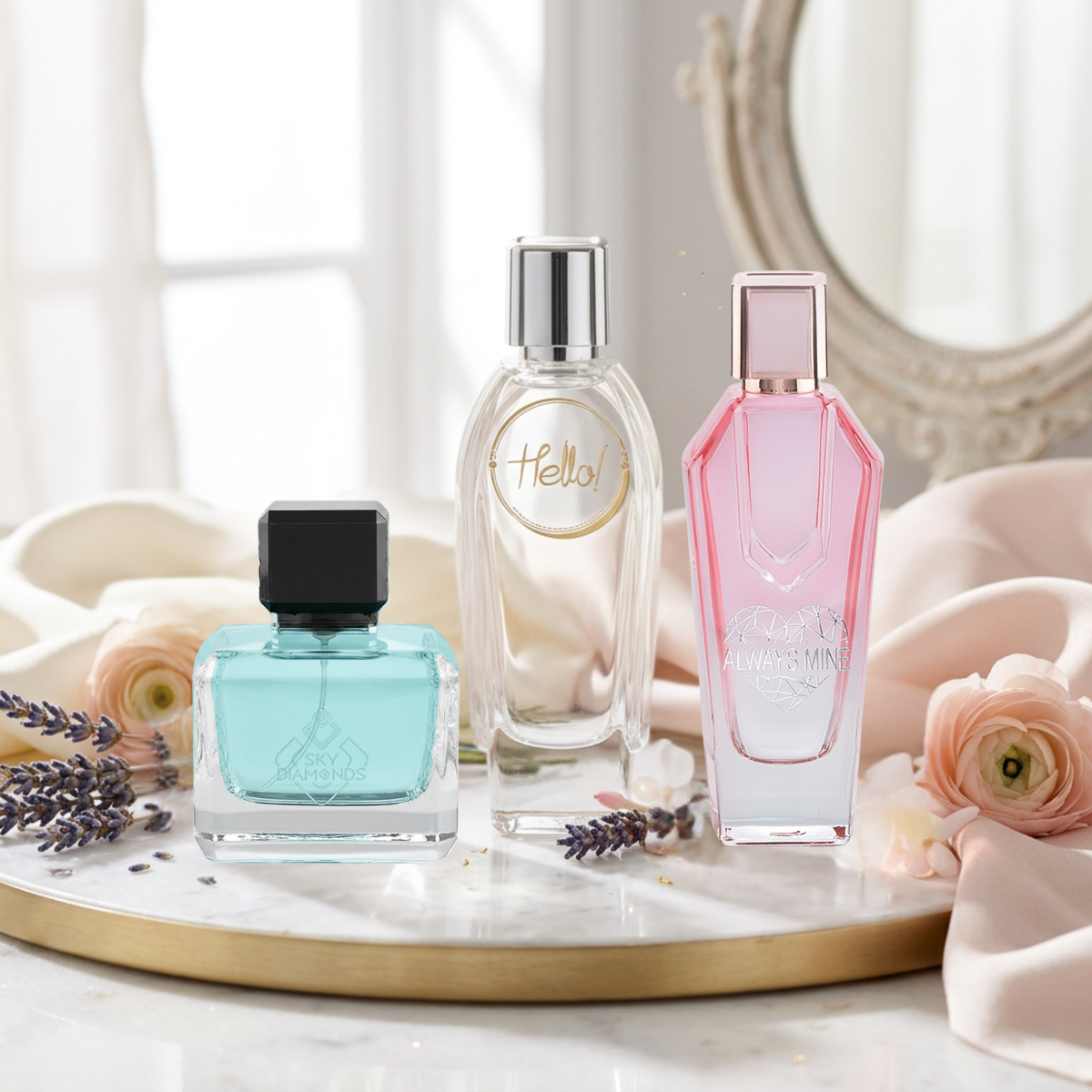
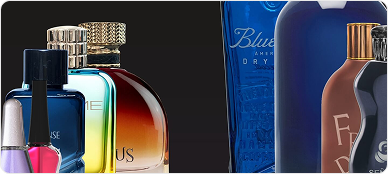
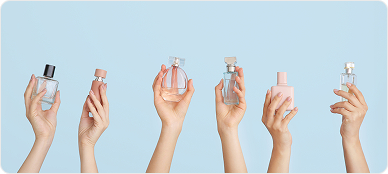
A fragrance bottle usually starts as a design concept, but turning that concept into a real glass container takes more than just visual creativity. It must be manufacturable, stable, and practical at every stage – filling, sealing, shipping, and everyday handling all place demands on the final product. That’s why fragrance bottle manufacturers work at the intersection of design and production engineering, balancing appearance with function.
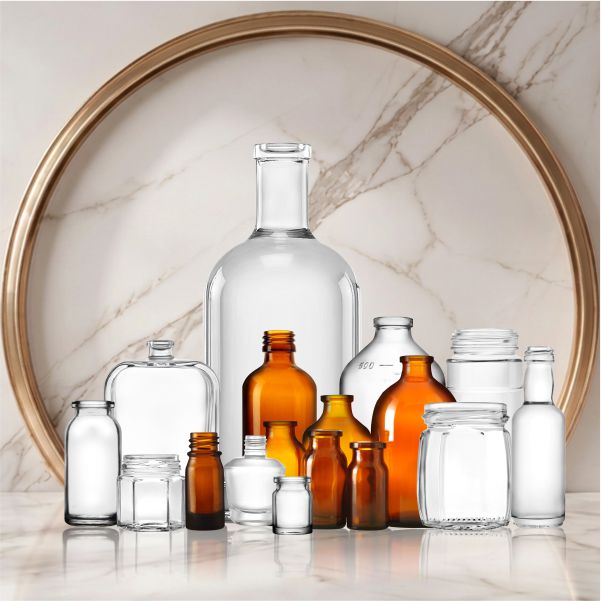
The same applies across the wider packaging industry. For cosmetic bottle manufacturers, choices around glass type, shape, thickness, and surface treatment all influence how well a container performs once it enters production and reaches the filling line.
Design Is Driven by Practical Needs
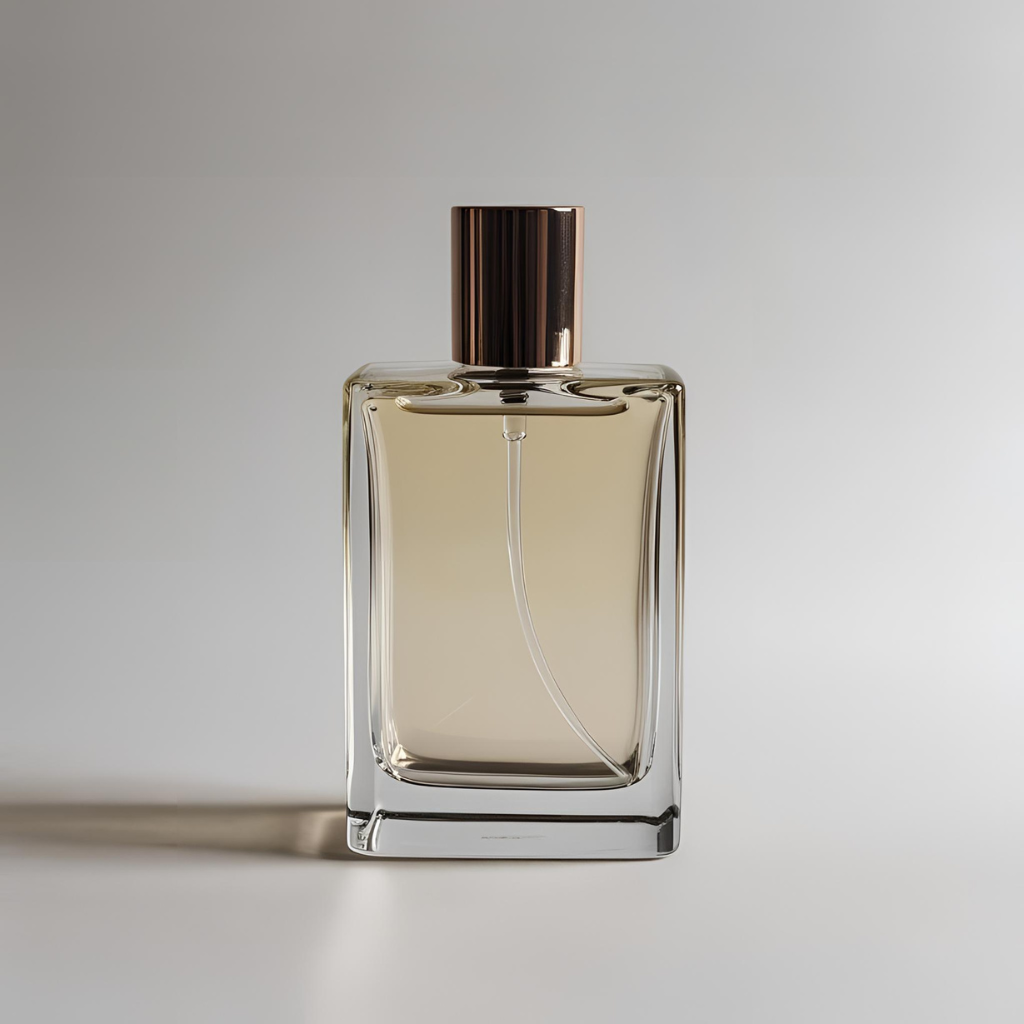
At first glance, a fragrance bottle might seem like a simple object, but its structure is carefully planned. Capacity, wall thickness, base weight, neck size, and closure compatibility all need to be considered together. Even a small change in proportion can affect how the bottle behaves during production or how stable it feels in hand.
For fragrance bottle manufacturers, mould development is a key step in this process. The mould must not only reproduce the intended design accurately but also allow molten glass to flow evenly and cool without defects. If the geometry is off, it can lead to issues like uneven thickness or reduced strength, which later affect filling and transport.
This level of precision is equally important for cosmetic bottle manufacturers, especially when producing a range of container sizes for skincare or beauty products that must remain consistent across a product line.
Glass Selection and Its Role
Choosing the right glass is not always visible to the end user, but it plays a major role in performance. The composition of the glass affects clarity, durability, chemical resistance, and how it responds to heat during production.
Fragrance products require a stable container that won’t interact with the formula inside. Glass is widely used because it provides a reliable barrier, helping preserve the fragrance over time. Depending on the product requirements, manufacturers may adjust the glass formulation or processing conditions to achieve specific results.
For fragrance bottle manufacturers, this step is not just about material choice; it’s about matching the glass properties to the design, production method, and intended use of the bottle.
How Glass Bottles Are Formed
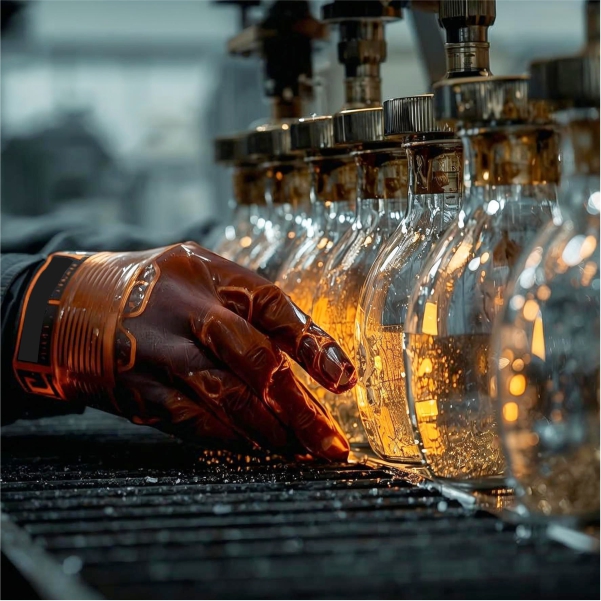
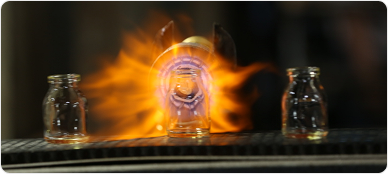
Once the design and material are finalised, production moves into forming. The glass is heated until it becomes workable and then shaped inside moulds. This stage requires careful temperature control, since uneven cooling can introduce internal stress or visible defects.
After forming, the bottles go through annealing, a controlled cooling process that helps stabilize the glass structure. Depending on the final design, additional finishing steps may follow, such as coating, printing, frosting, or other decorative treatments.
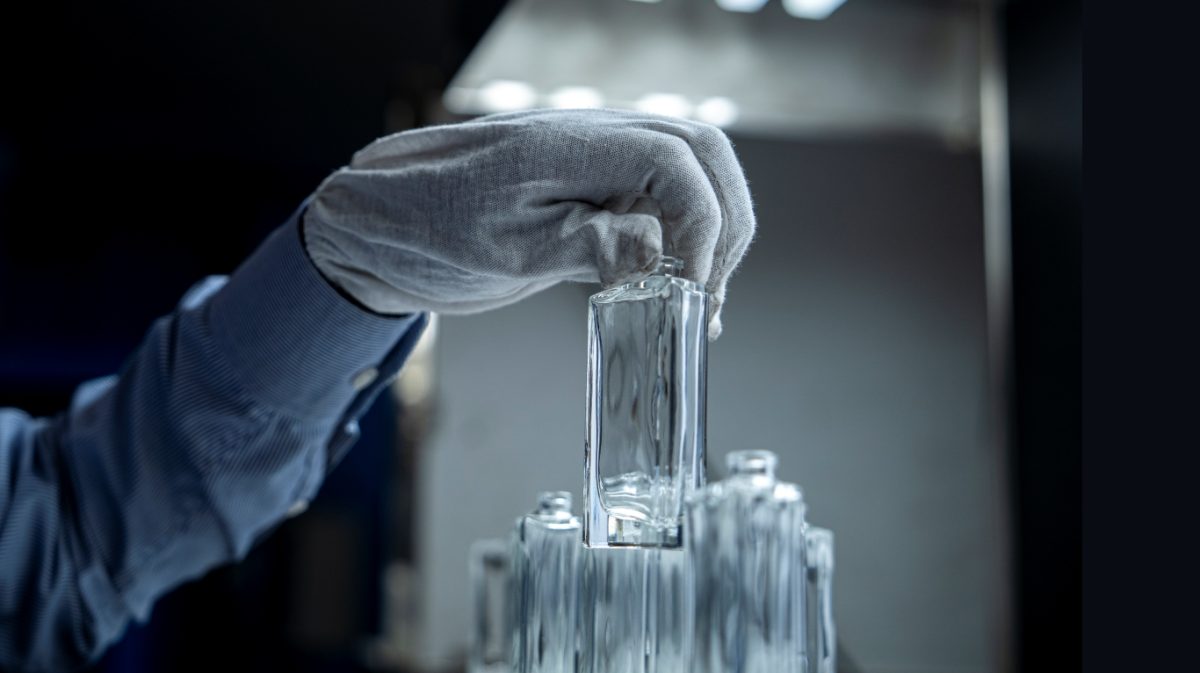
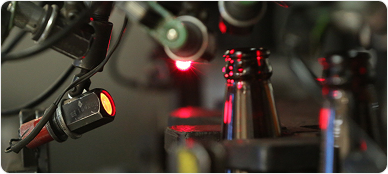
During and after production, fragrance bottle manufacturers carry out inspections to check for consistency in shape, surface quality, and structural integrity. Any defects like bubbles, cracks, or uneven thickness are identified and removed from the production line.
Packaging Is More Than Just the Bottle
While the bottle is the most visible part of the packaging, it doesn’t function alone. The neck finish must align with the closure system, and the overall dimensions need to work with filling and sealing equipment. If these elements don’t match, even a well-designed bottle can become impractical in production.
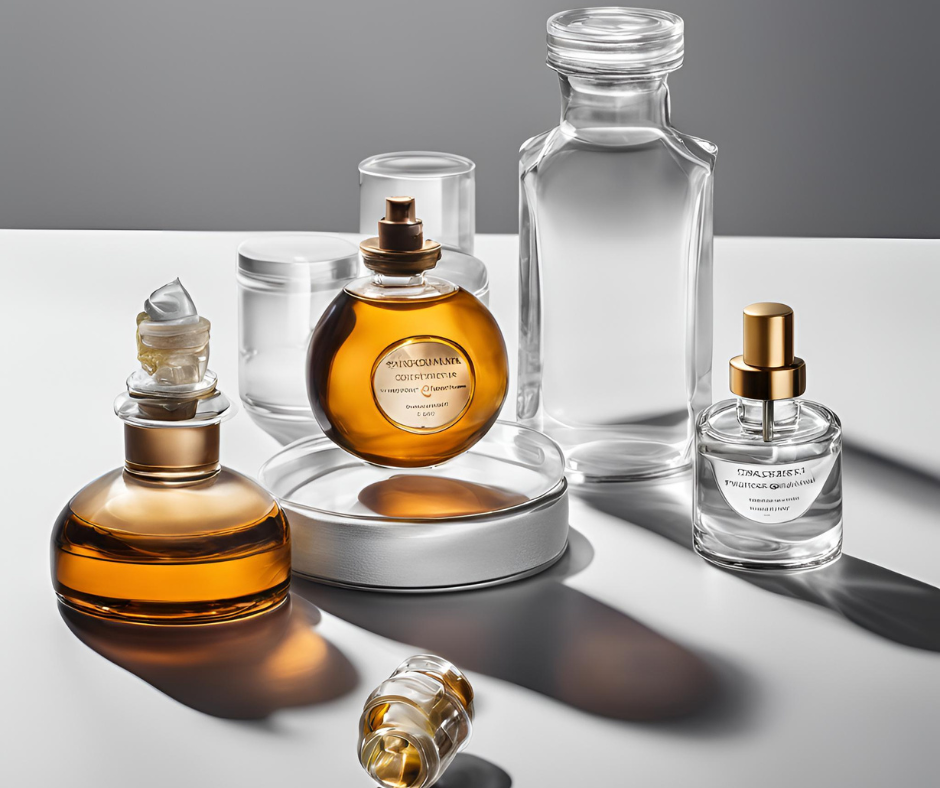
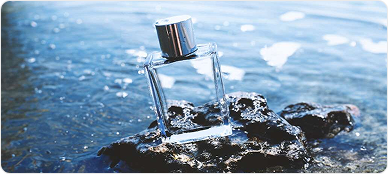
A perfume bottle may also be designed with reuse or long-term handling in mind. In some cases, an empty perfume bottle is kept after the fragrance is finished, especially when the design has decorative or collectable value. The same idea applies to empty jars for cosmetics, where durability and compatibility can extend the life of the container beyond its original use.
The Balance Between Engineering and Aesthetics
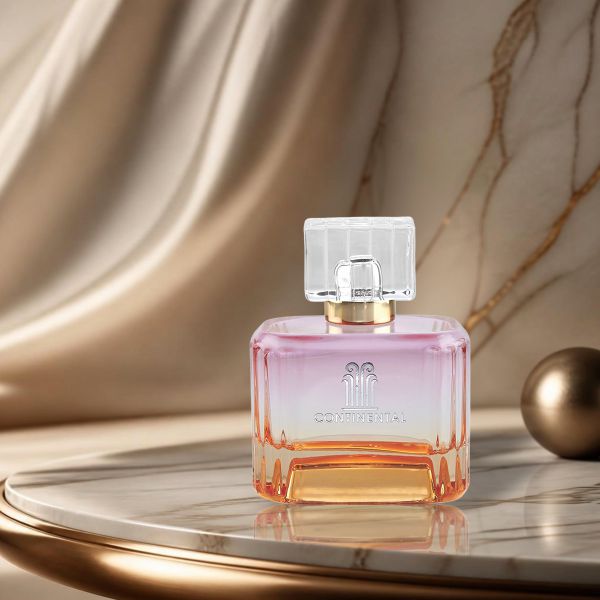
Fragrance packaging sits in a space where technical requirements and visual design meet. A bottle must represent the identity of the product, but it also must function reliably in manufacturing, filling, and distribution environments.
For fragrance bottle manufacturers, this balance is achieved through careful coordination at every stage, from early design and mould creation to glass selection, forming, finishing, and inspection. The same applies to cosmetic bottle manufacturers, where consistency, durability, and appearance all need to align.
In the end, a finished glass bottle may look simple, but it reflects a long chain of decisions and processes. Each step plays a role in shaping how the final product looks, feels, and performs in real-world use.