









July 16, 2026
Glass Container Manufacturers: Processes, Certifications, and Industry Applications
Most people interact with glass packaging every day without giving much thought to how it is made. A medicine bottle, a food jar, or a fragrance container often feels simple because the manufacturing behind it is largely invisible. Producing glass packaging involves a series of carefully controlled steps, each one influencing how the finished container performs once it leaves the factory.
For a glass container manufacturer, the process is not just about shaping molten glass. It involves managing raw materials, monitoring temperatures, conducting inspections, and ensuring that every container meets specific performance requirements. This attention to detail is what allows glass to be used across industries where consistency matters.
From Raw Materials to Finished Containers
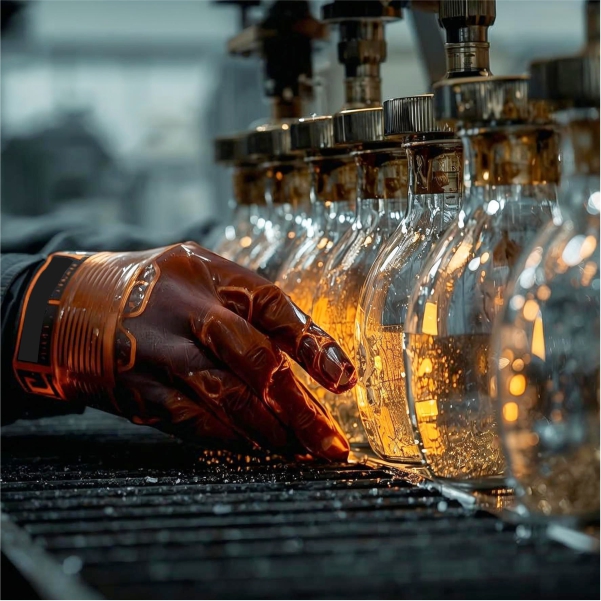
The journey begins with a blend of ingredients that usually includes silica sand, soda ash, limestone, and recycled glass. Once combined, these materials are heated until they become molten. That molten glass then moves into forming equipment, where it is shaped into bottles, jars, or other container formats. While the process sounds straightforward, there are countless variables being monitored at the same time. Temperature fluctuations, glass viscosity, and mould conditions can all influence the outcome.
A glass container manufacturer must keep these variables under control because even a small deviation can affect wall thickness or dimensional accuracy. Once a container has been formed, it enters an annealing lehr, where it cools gradually. This stage helps remove internal stresses that could otherwise weaken the glass later. For glass bottle manufacturers, annealing is not simply another production step; it plays a direct role in the long-term durability of the container.
Why Certifications Are Part of the Process
When glass packaging is used for food, pharmaceuticals, or personal care products, quality requirements become more demanding. Manufacturers need systems that help ensure consistency from one production run to the next. This is where certifications come into the picture. Many glass bottle manufacturers work within recognised quality and environmental management frameworks that establish procedures for documentation, traceability, and process control.
For a glass container manufacturer, certifications often influence everyday operations more than people realise. Raw materials are checked before production begins, manufacturing records are maintained throughout the process, and finished products undergo testing before they are approved for shipment.
The Importance of Inspection
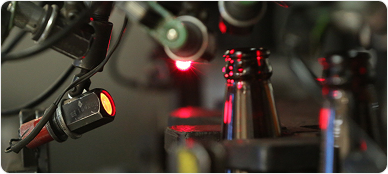
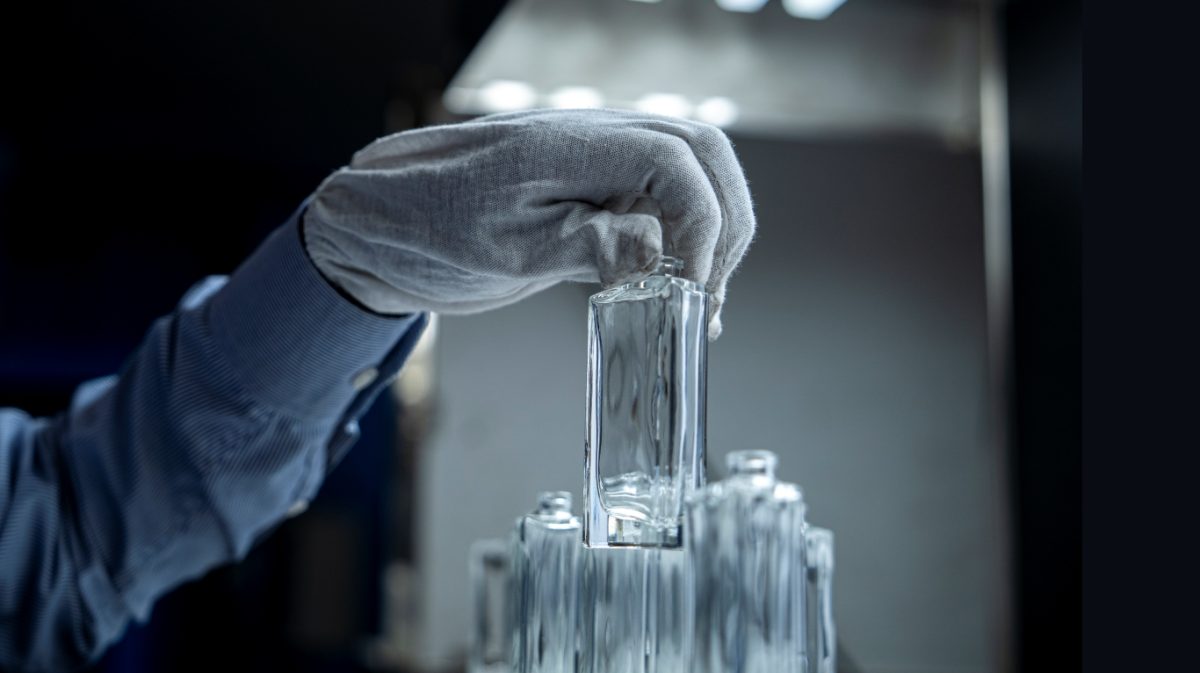
No manufacturing process is complete without inspection, and glass production is no exception. Throughout production, containers are checked for defects such as cracks, air inclusions, dimensional variations, or surface imperfections. Much of this work is now supported by automated inspection systems that can evaluate large volumes of containers with remarkable accuracy.
A glass container manufacturer may combine these systems with pressure testing and dimensional measurements to confirm that containers meet specification requirements. For glass bottle manufacturers, these inspections help ensure compatibility with filling lines, closures, and transportation systems.
One Material, Many Applications
Glass is used across a surprisingly wide range of industries, and each application places different demands on the container.
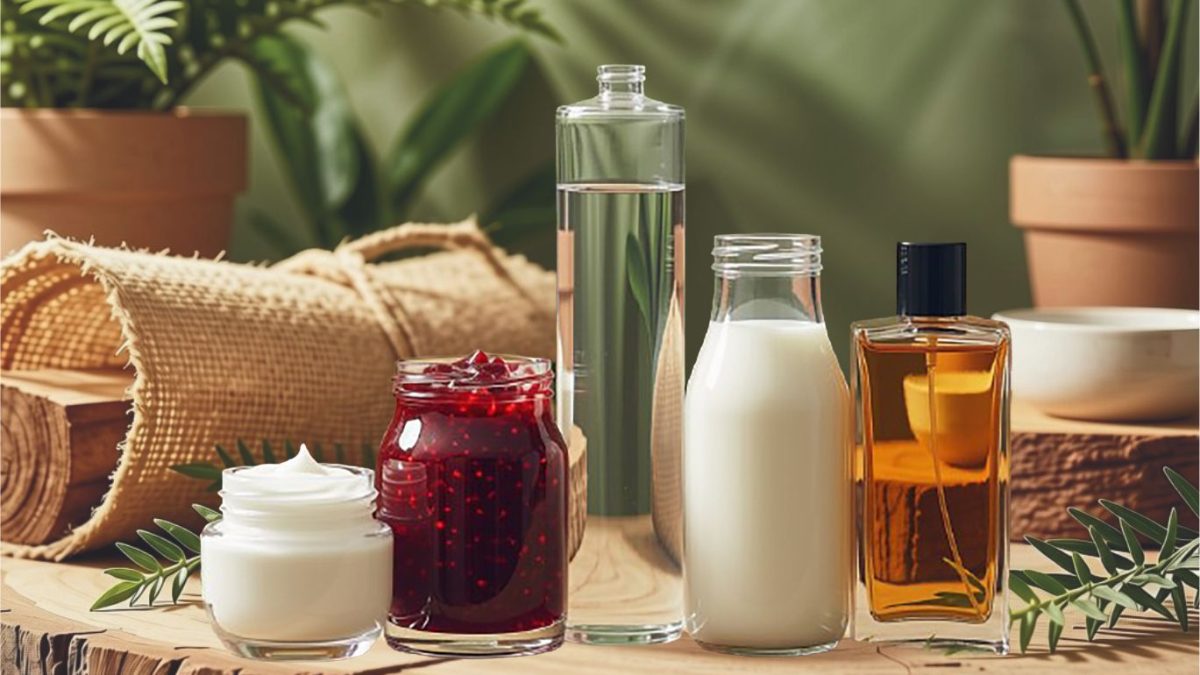
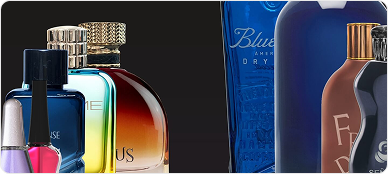
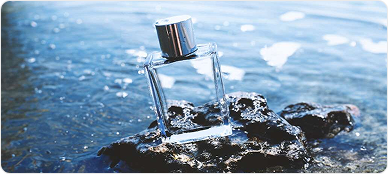
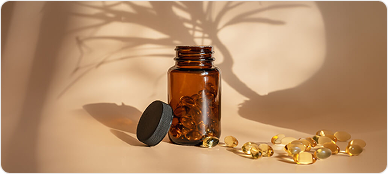
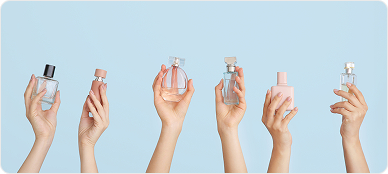
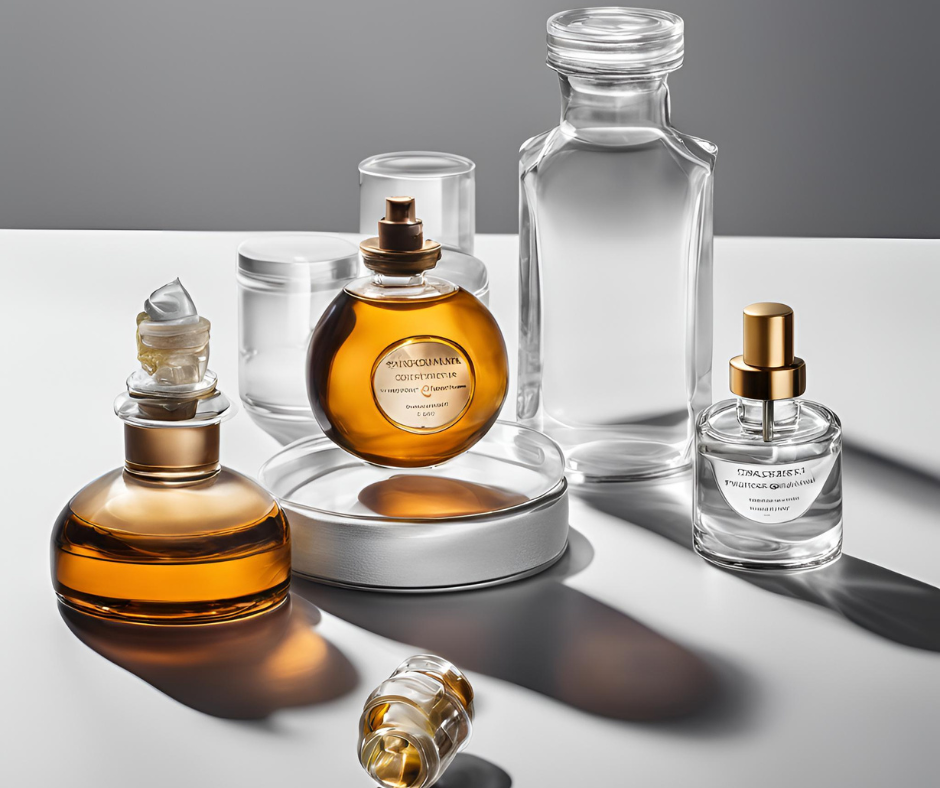
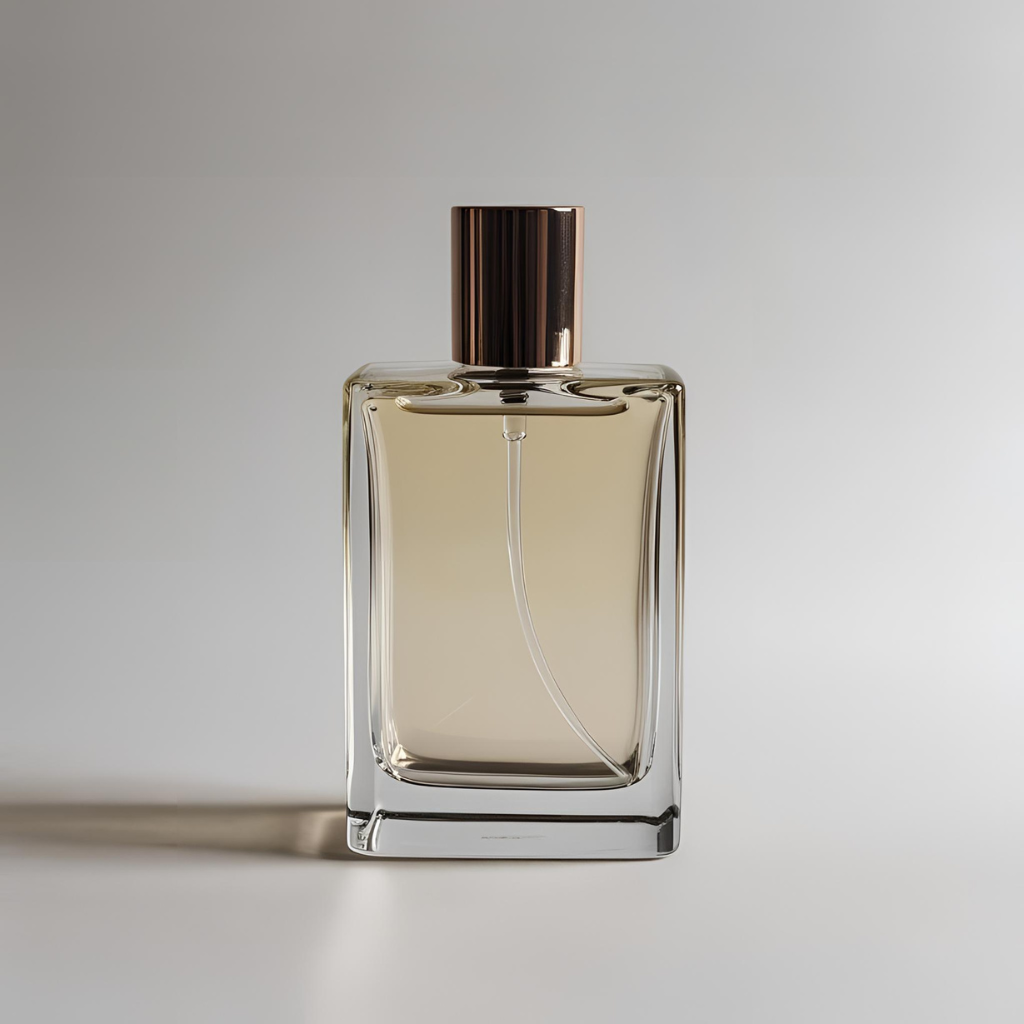
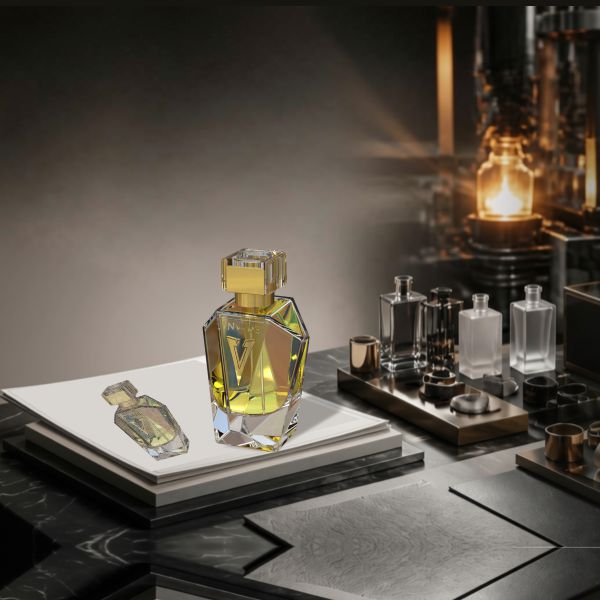
In fragrance packaging, for example, a perfume bottle requires precision in both appearance and construction. The container needs to look refined while also maintaining dimensional consistency for pumps and closures. Likewise, an empty perfume bottle often retains its form and finishes long after the product has been used. The same manufacturing principles are applied to other formats as well, including empty jars for cosmetics, pharmaceutical bottles, beverage containers, and food packaging. While the glass bottle designs may vary, the underlying focus on material control and production accuracy remains consistent.
More Than a Manufacturing Process
The work carried out by a glass container manufacturer involves far more than turning raw materials into a finished product. Every stage, from melting and forming to cooling, inspection, and certification, contributes to how a container performs in real-world conditions.
For glass bottle manufacturers, consistency is built gradually through process control rather than achieved through a single step. It is this combination of engineering, material science, and quality management that allows glass containers to serve such a broad range of applications while maintaining their intended function.
Other Blogs






April 3, 2026
Glass Containers Vs Plastic: A 2025 Life Cycle Analysis of Eco-Conscious Brand Managers


September 3, 2026
Fragrance Bottle Manufacturers: Design, Material Selection, and Production Insights