









October 5, 2026
Market Leadership: Predicting the Shift of Global Demand for Specialty Glass Packaging
Packaging is often judged in a few seconds. A bottle is picked up, turned around, opened, or returned to the shelf. Less visible is the manufacturing work behind that moment. When packaging must meet specific requirements for shape, performance, chemical stability, decoration, or reuse, ordinary container production is no longer enough. This is where specialty glass packaging comes into the picture.
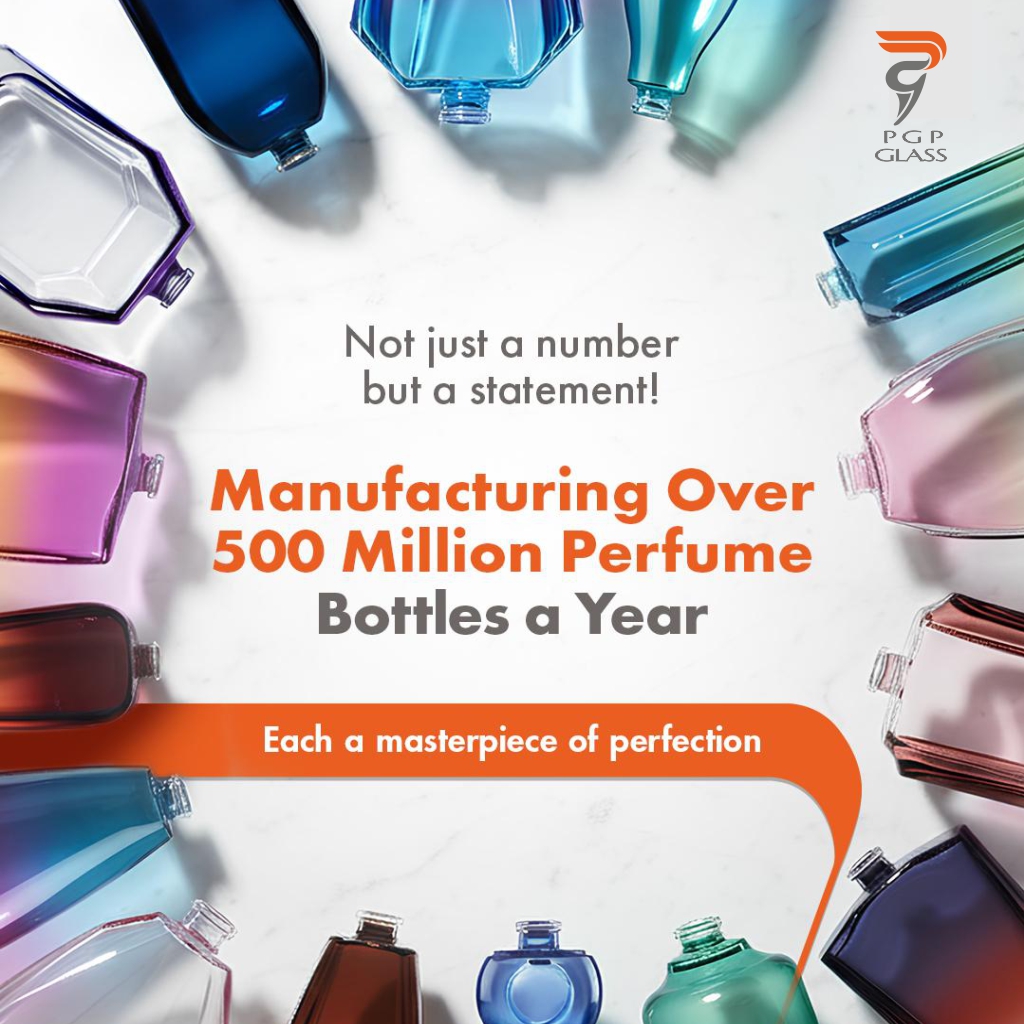
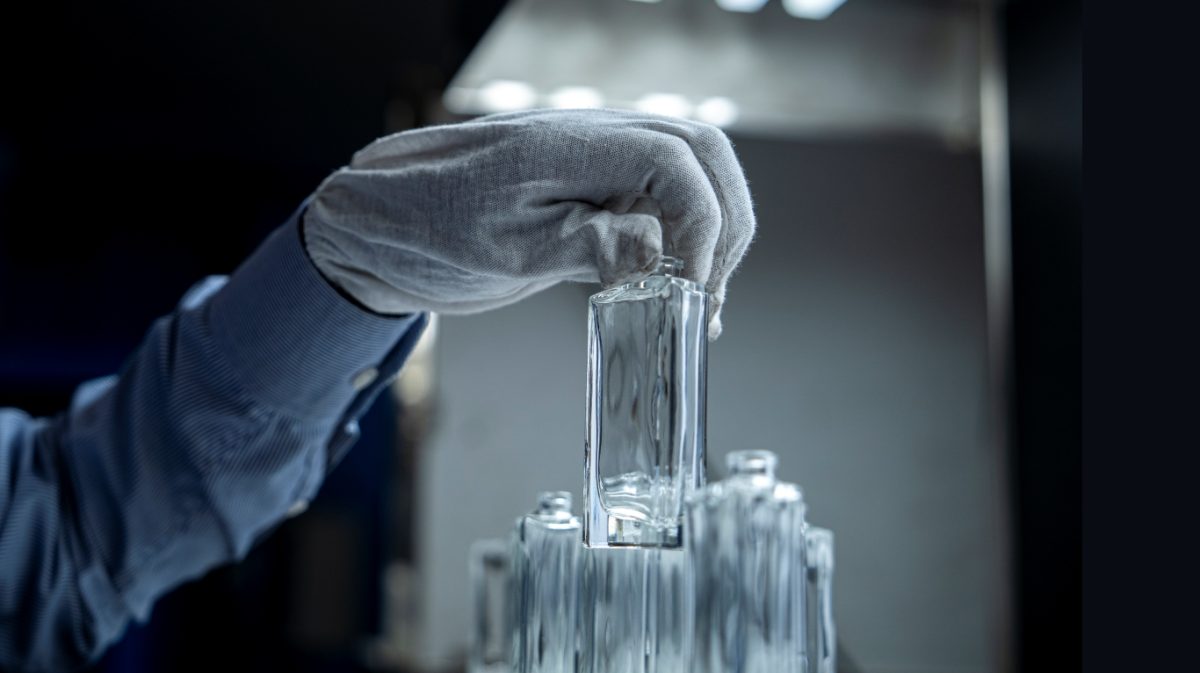
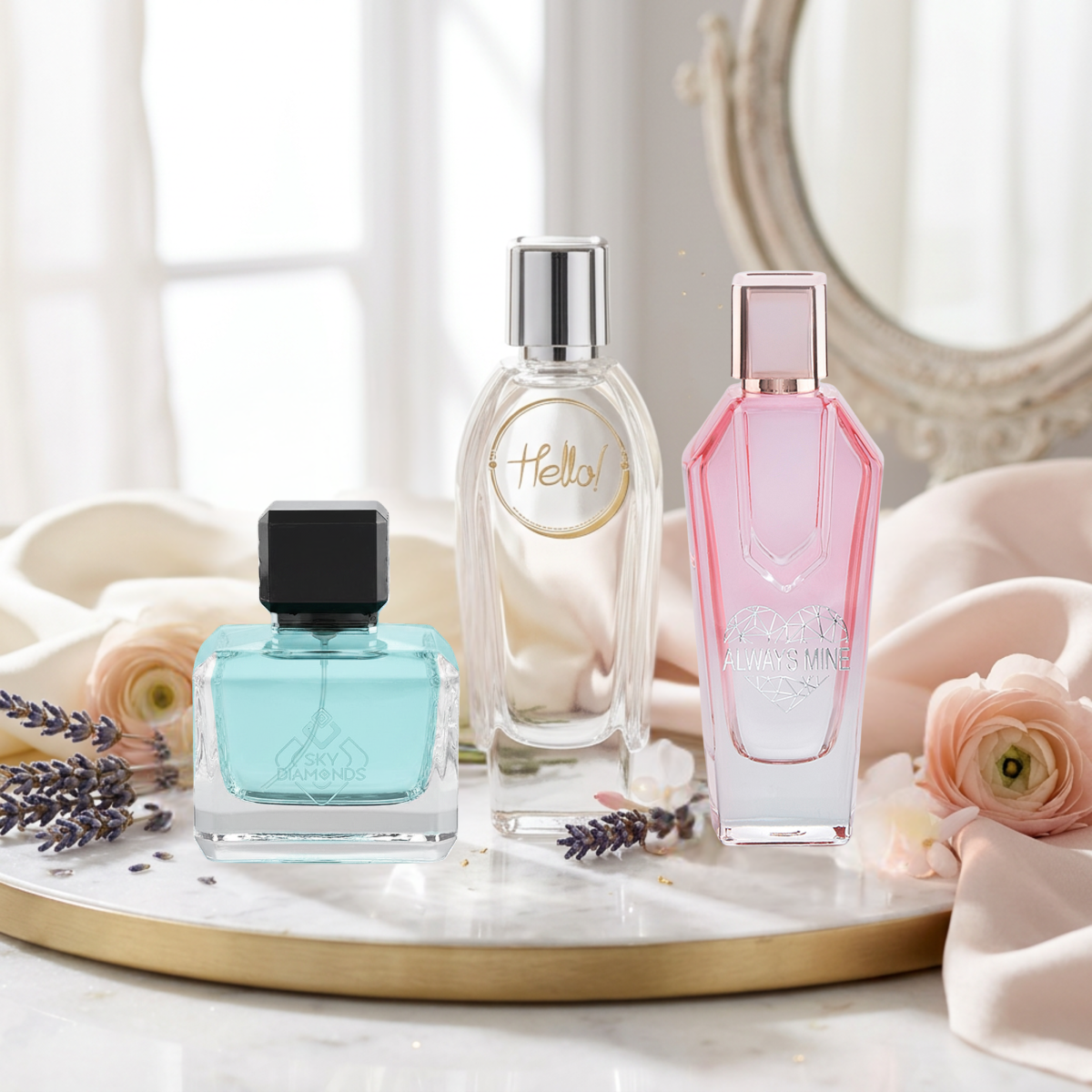
For glass container manufacturers, specialty packaging involves a closer look at the material, the forming process, and the final application. For perfume bottle manufacturers, for instance, the challenge may involve producing a particular shape while maintaining a consistent neck finish, wall thickness, and surface quality. These requirements are influencing how glass packaging is designed and produced for different applications.
What Makes Specialty Glass Packaging Different?
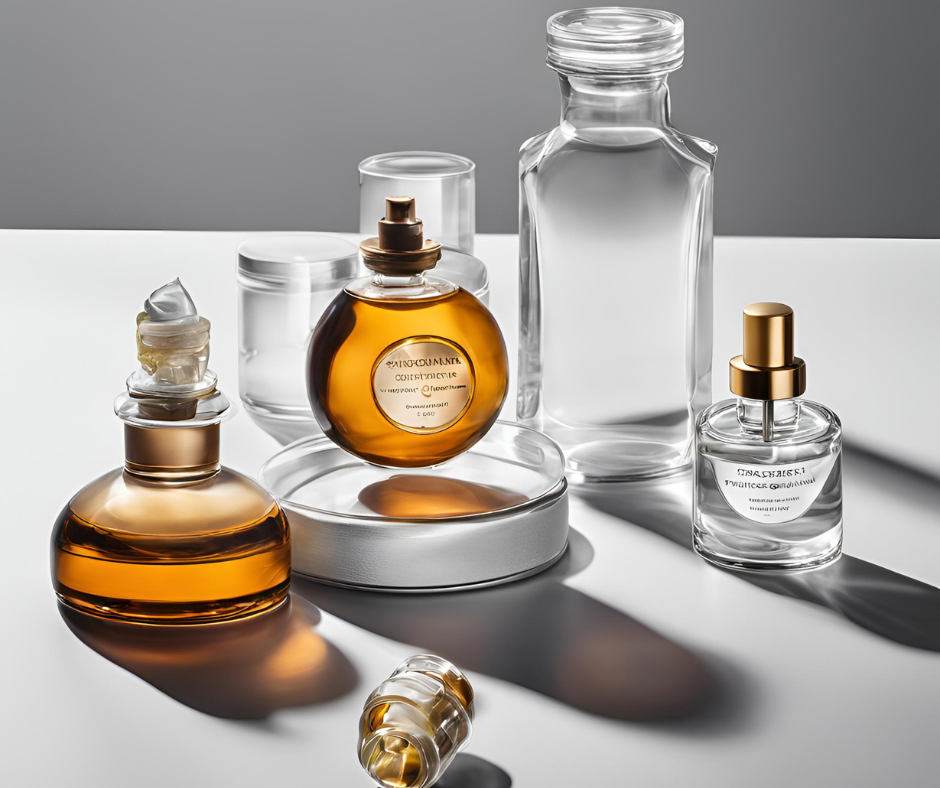
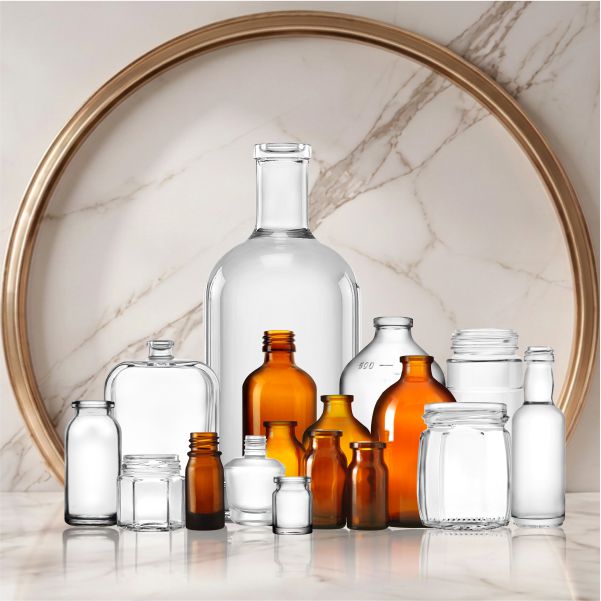
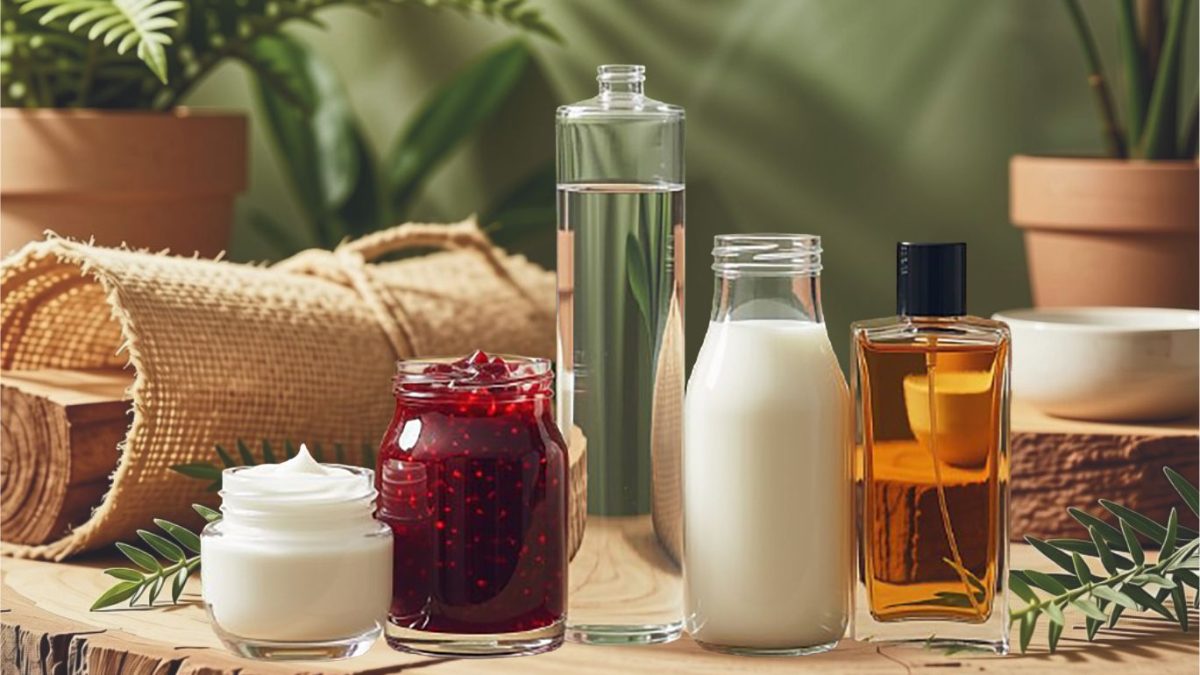
The term specialty glass covers a wide range of containers designed for applications rather than general-purpose use. A fragrance bottle with an unusual profile, a pharmaceutical container requiring specific chemical resistance, or a cosmetic jar with a specialized finish can all fall within this category.
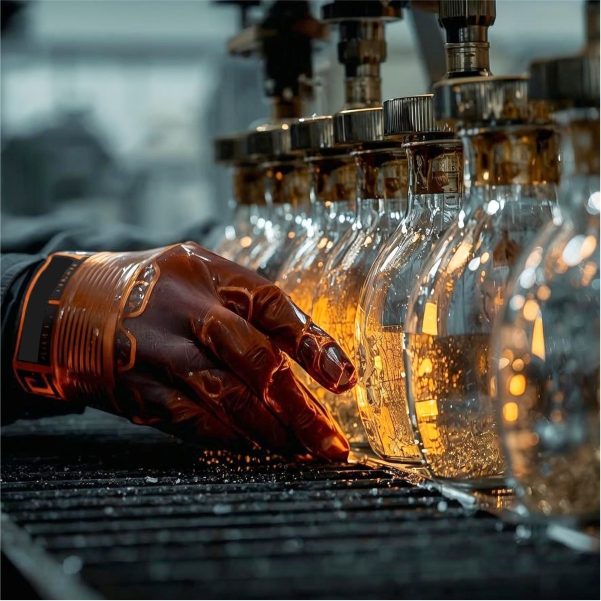
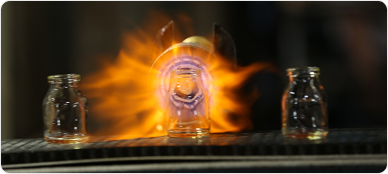
For glass container manufacturers, this means production cannot rely solely on standardized moulds and processes. Factors such as glass composition, mould temperature, forming speed, annealing, and inspection must be considered together. The result is packaging where small manufacturing details have a practical purpose. A few millimetres in the wrong place can affect how a closure fits. An uneven wall can influence strength. Surface imperfections can alter the appearance of a premium container.
Why Manufacturing Capability Matters
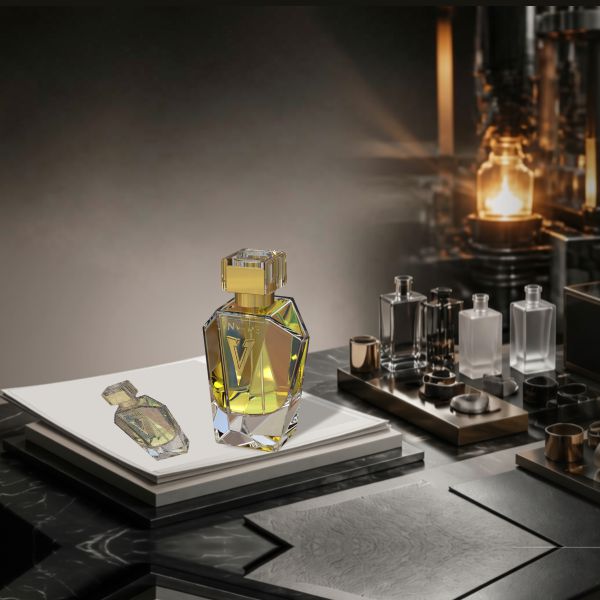
As packaging requirements become more specific, manufacturing capability becomes closely connected to product development. Perfume bottle manufacturers often work with designers at an early stage to determine whether a proposed shape can be produced consistently.
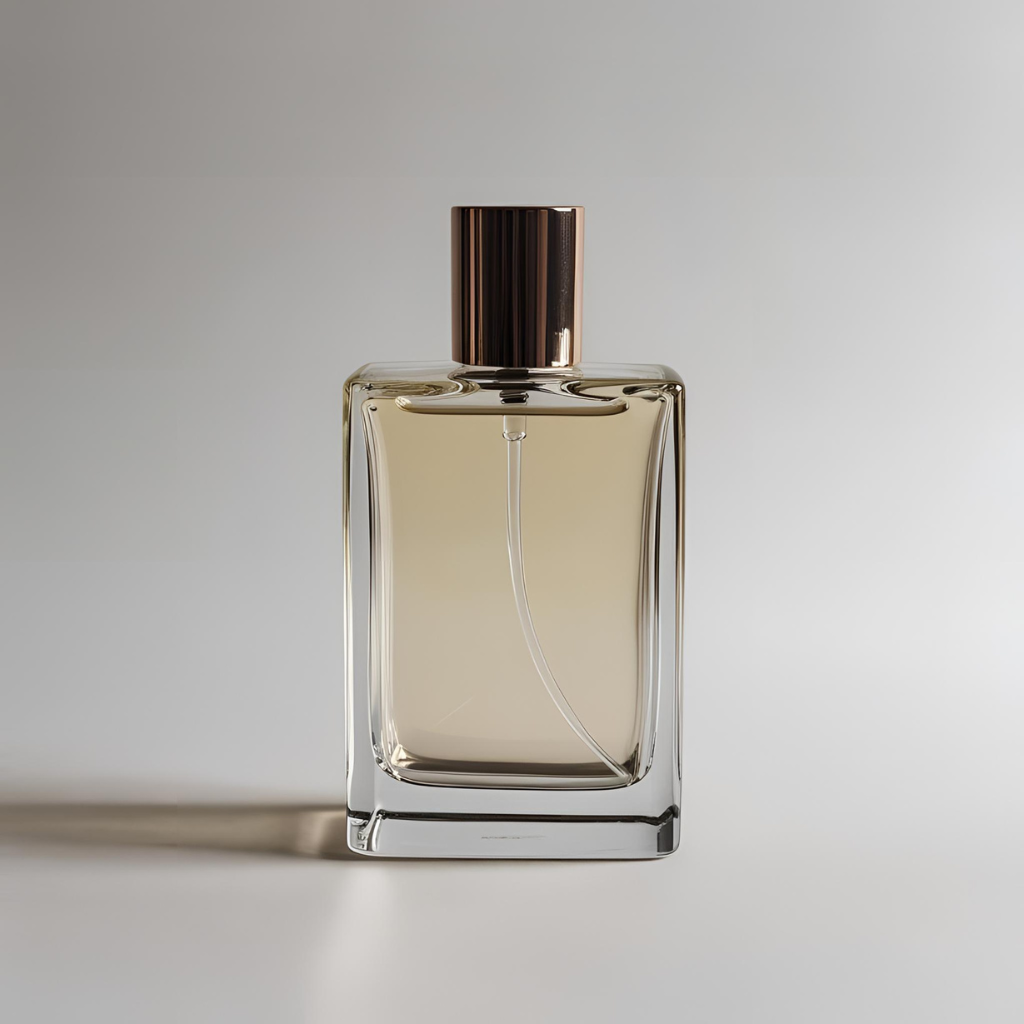
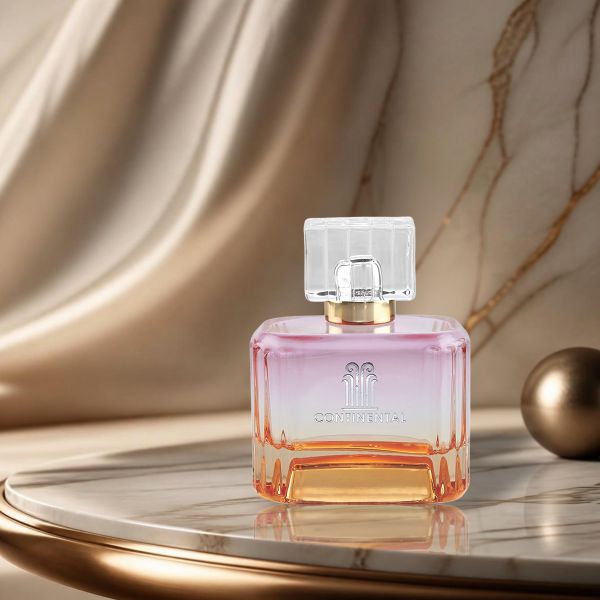
This involves more than creating a prototype. The design must work through the entire production cycle, from mould development and glass forming to cooling, inspection, decoration, and filling. A successful design is therefore one that looks right and remains practical when produced repeatedly. The same principle applies to an empty perfume bottle. Once the fragrance has been used, the container may be retained, refilled, or repurposed. Its construction and finish therefore influence how useful it remains after the original product is gone.
The Role of Material Efficiency
Specialty glass packaging also brings the question of material efficiency into sharper focus. Using more glass does not automatically make a container better. Manufacturers must consider strength alongside weight, particularly when the packaging will be transported over long distances.
For glass container manufacturers, this can involve adjusting the geometry of a container so that material is distributed where it provides structural support rather than adding unnecessary weight. Better control during forming can also help maintain consistency while reducing production losses.
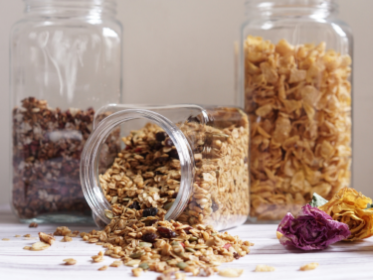
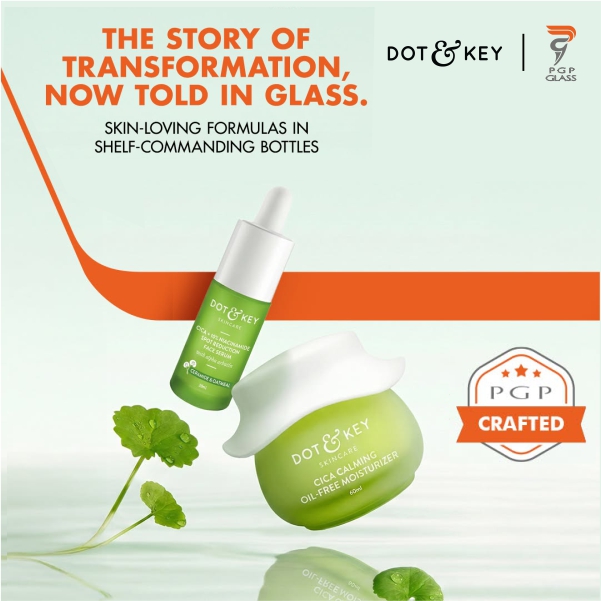
These considerations are relevant across packaging categories, including empty jars for cosmetics, where the container needs to balance appearance, durability, and practical handling.
Looking at Demand Through Applications
Predicting where demand for specialty glass packaging will move requires more than looking at packaging volumes. The more useful question is what brands need from their containers.
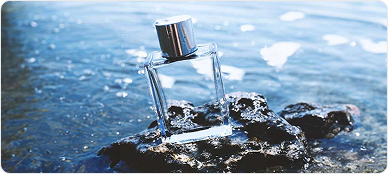
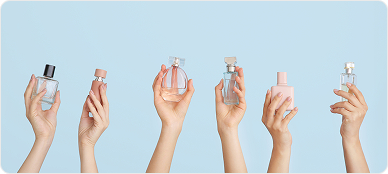
A fragrance brand may require a distinctive perfume bottle with a particular decorative treatment. A pharmaceutical company may prioritize chemical resistance and dimensional accuracy. A cosmetics company may need a container that works with a specific dispensing system. Each application creates a different set of manufacturing requirements.
For glass container manufacturers, understanding these differences helps shape investment in mould-making, inspection equipment, forming technology, and finishing capabilities. For perfume bottle manufacturers, it also creates room to work more closely with designers and brands before a container enters production.
What’s Next for Specialty Glass Packaging
The future of specialty glass packaging will be shaped by changing product requirements, evolving consumer expectations, and the growing importance of design and functionality. As brands seek packaging that performs well while creating a distinct product experience, specialty glass will continue to adapt across industries.
For glass container manufacturers, this means developing solutions that balance durability, aesthetics, functionality, and production requirements. In categories such as fragrances, perfume bottle manufacturers are increasingly required to create bottles that do more than hold the product, they also contribute to its identity and presentation.
As specialty applications continue to evolve, the focus will increasingly be on creating glass packaging that delivers both practical performance and meaningful value for brands and consumers.