













October 7, 2026
How are leading Glass bottle manufacturers in Italy supporting Sustainable Packaging?
A glass bottle on a store shelf looks straightforward enough. But behind that simplicity is a complex production process. Everything from the raw materials used, to the temperature inside the furnace, to how much recycled glass is included, and even how the finished product is shipped, has an impact on its environmental footprint. Because of this, glass bottle manufacturers in Italy play an important role in shaping more glass sustainable packaging solutions.
Italy has long been known for its glassmaking tradition, especially in sectors where design and presentation matter as much as function. Today, that tradition is increasingly tied to efficiency and resource awareness, with manufacturers looking for ways to reduce waste and energy use while still producing high-quality containers for food, cosmetics, and fragrance products.
The Role of Raw Materials
Glass production starts with basic natural materials such as silica sand, soda ash, and limestone. Alongside these, manufacturers can also use recycled glass, often referred to as cullet. Adding cullet into the mix helps reduce the need for virgin raw materials and can also lower energy consumption during melting. However, it must be carefully controlled. The final blend must still meet strict quality requirements so that the finished bottle maintains clarity, strength, and chemical stability.
For glass bottle manufacturers in Italy, this balance is a key part of everyday production decisions. It reflects a broader shift in thinking about sustainable packaging, where the focus is not just on materials, but on how efficiently they are used.
Improving Energy Use in Production
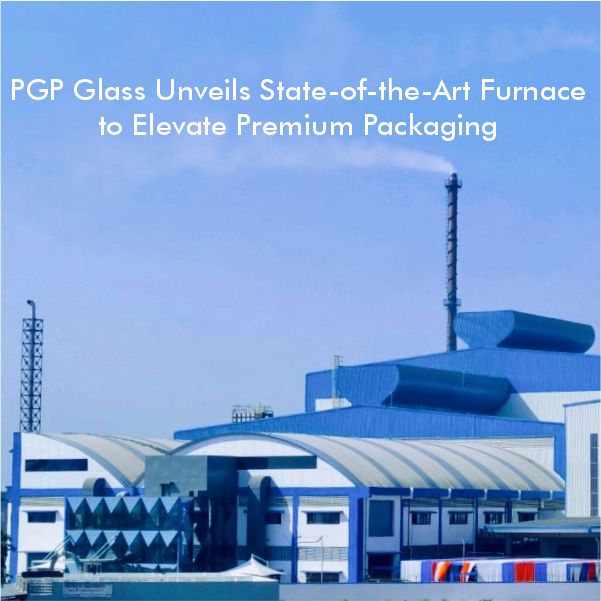
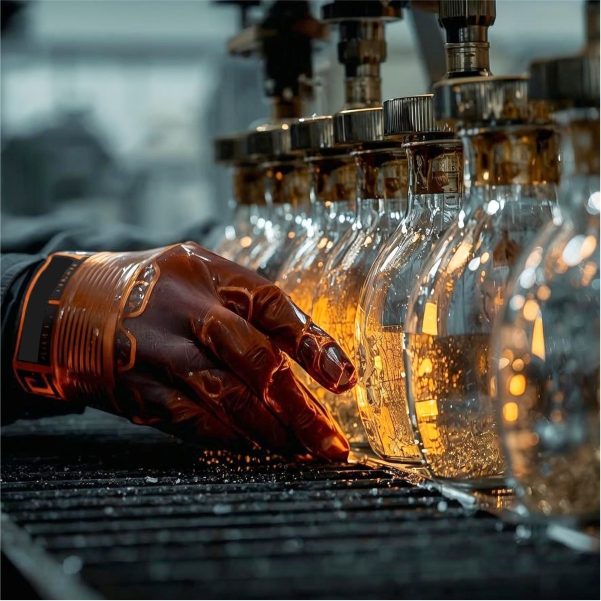
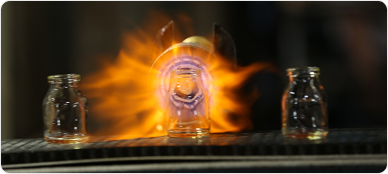
One of the most energy-demanding stages of glass production is melting the raw materials in a furnace at extremely high temperatures. Because of this, even small efficiency improvements can make a meaningful difference. Manufacturers work on several fronts here: upgrading furnace technology, improving heat recovery systems, and fine-tuning combustion processes. Stable temperature control is also essential, as it helps reduce defects and limits material waste.
For glass bottle manufacturers in Italy, these technical improvements are part of a wider effort to make production more efficient without compromising product quality. It’s a practical approach to glass sustainable packaging, focused on reducing impact where it occurs.
Why Design Matters
Sustainability isn’t only about what happens in the factory. The design of the bottle itself also plays a role. Reducing unnecessary weight while maintaining strength can lower material use and make transport more efficient. Shape and structure also matter, especially for products that are shipped internationally.
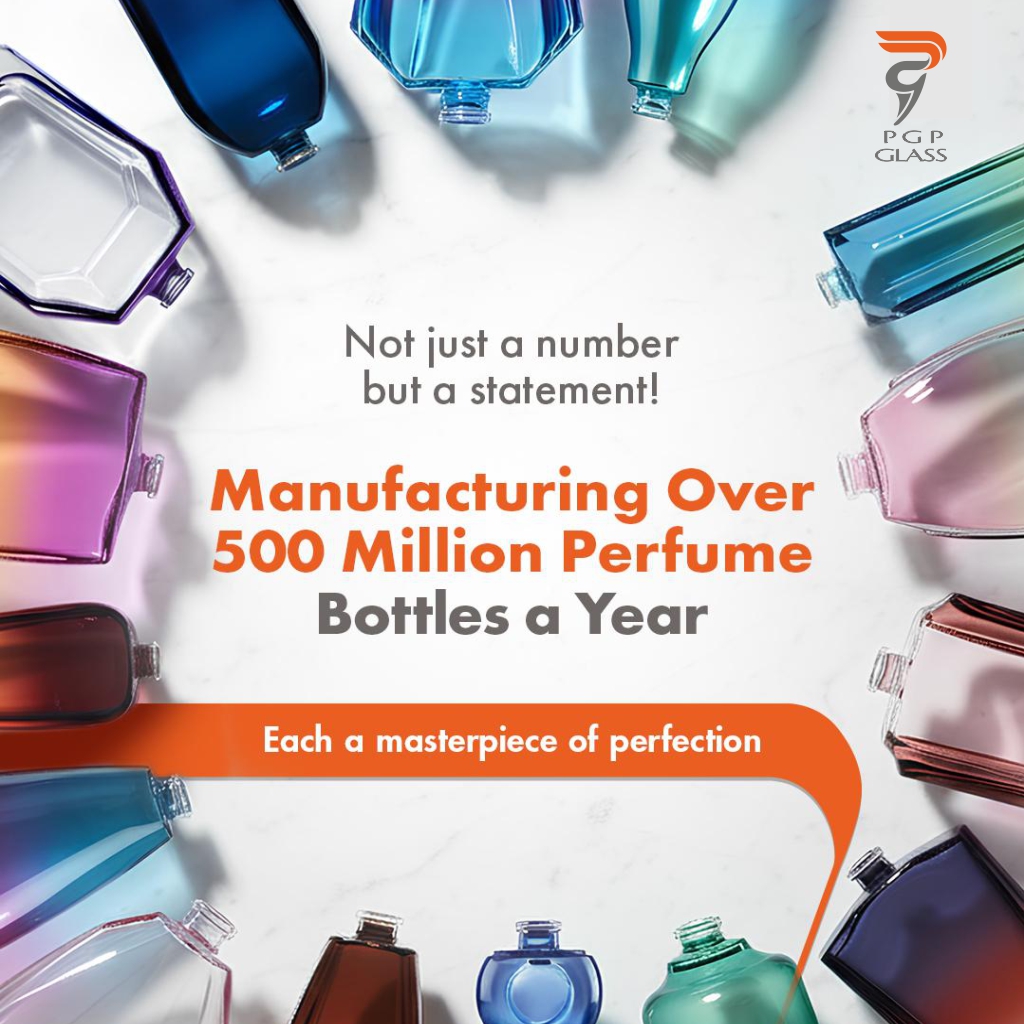
Take a perfume bottle, for example. It needs to look refined, but it also must be durable enough to handle filling, transport, and retail handling. An empty perfume bottle may even be designed with reuse in mind, especially as refillable packaging becomes more common in the fragrance industry.
Reuse and Recycling in Practice
One of the key advantages of glass is that it can be recycled repeatedly without losing its core properties. This makes it a strong candidate for circular packaging systems, provided collection and processing systems are in place. Recycling is only part of the picture, though. Reuse is becoming increasingly relevant as well. A well-made container can be kept in circulation longer, especially in premium segments where packaging is part of the product experience.
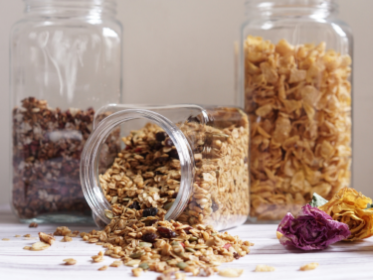
This is particularly true for perfume packaging, where bottles are often designed to be visually distinctive and durable. The same idea can also apply to empty jars for cosmetics, where packaging may be reused or repurposed depending on the product strategy.
How Italian Manufacturers Approach Sustainability
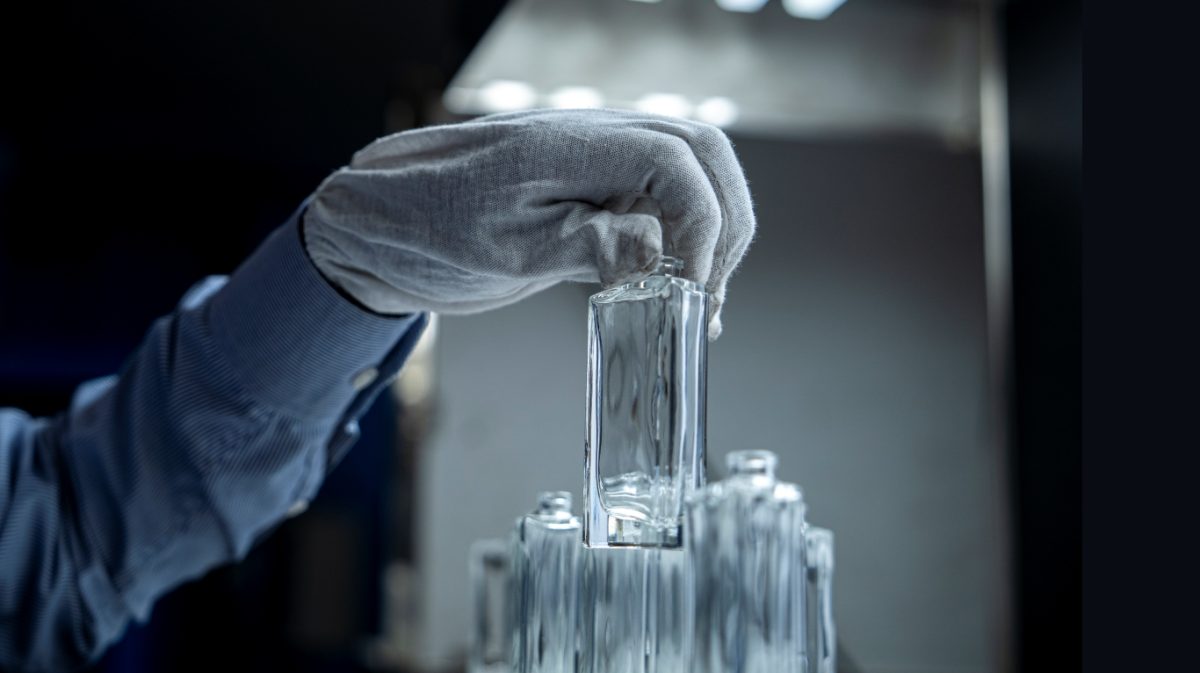
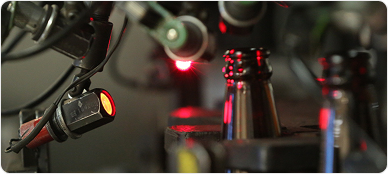
The work of glass bottle manufacturers in Italy goes far beyond simply producing containers. It involves a chain of decisions that includes material selection, furnace operation, forming techniques, quality control, finishing, and logistics. Each of these steps offers opportunities to reduce waste or improve efficiency. At the same time, manufacturers still need to meet strict performance requirements. A bottle must protect its contents, work with its closure system, and remain stable throughout transport and storage.
This is where glass sustainable packaging becomes a balancing act. It is not just about using recycled materials or reducing weight, but about making sure the entire production system works efficiently from start to finish.
Thinking in Terms of the Full Lifecycle
For brands working with Italian suppliers, sustainability often starts with a simple question: what happens to the packaging before it is made, while it is in use, and after it is discarded?
Answering that question requires looking beyond the material itself. It includes how efficiently the bottle is produced, how it is transported, whether it can be reused, and how easily it can be collected and recycled. By considering all these factors together, glass bottle manufacturers in Italy contribute to packaging systems that are more aligned with long-term environmental goals.
In the end, glass sustainable packaging is less about a single solution and more about a series of better decisions. Glass doesn’t solve every challenge, but when it is designed, produced, and managed thoughtfully, it can play a meaningful role in reducing environmental impact over time.