









June 8, 2026
The Role of Glass Bottles in Supporting Sustainable Packaging for Luxury Brands
In luxury manufacturing, packaging isn’t something that gets added at the end. It’s usually considered from the very beginning, alongside the product itself. Materials are chosen carefully, not just for how they look, but for how they perform over time. Increasingly, there’s also a quieter layer to these decisions, about how the material behaves beyond its first use. In that sense, glass bottles continue to hold their place within sustainable packaging, especially in applications where durability and consistency matter.
Material Stability and Product Integrity
One of the reasons glass continues to be used across categories like fragrance and personal care comes down to how stable it is. It doesn’t react with what it holds, which makes it reliable for formulations that need to remain unchanged over time. From a manufacturing point of view, this stability shows up in small but important ways. Glass bottles tend to behave predictably during filling and sealing, and they maintain that consistency during storage as well. Over a full product lifecycle, that kind of reliability supports sustainable packaging by reducing the chances of spoilage or compatibility issues.
Manufacturing Processes and Resource Efficiency
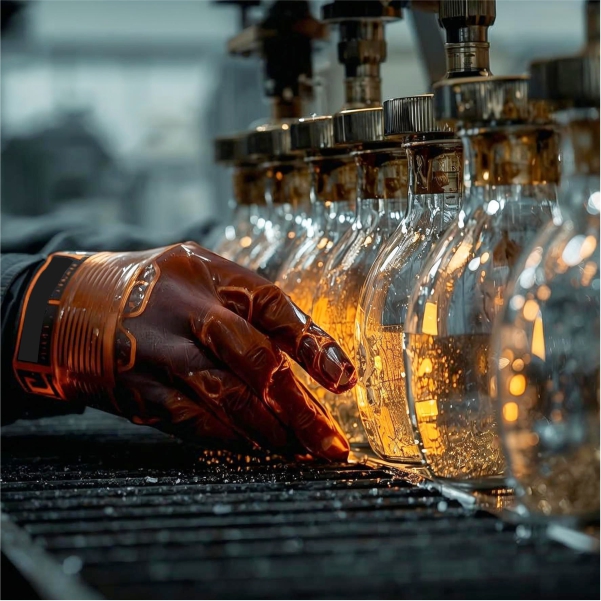
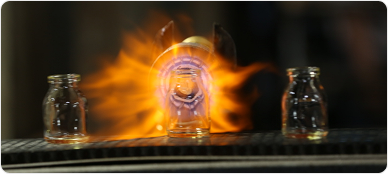
Producing glass does involve high temperatures, and that’s always been part of the conversation. What’s shifting, though, is how manufacturers are managing that energy. The use of recycled glass, often referred to as cullet, has become more common, and it makes a noticeable difference. When cullet is added back into the production process, it melts at a lower temperature than raw materials. That, in turn, reduces the amount of energy needed. Over time, this approach allows glass bottles to fit into a more circular system, where the same material can be reused without losing its core properties. In this way, sustainable packaging is tied to how the material moves through the system.
Structural Durability and Reuse Potential
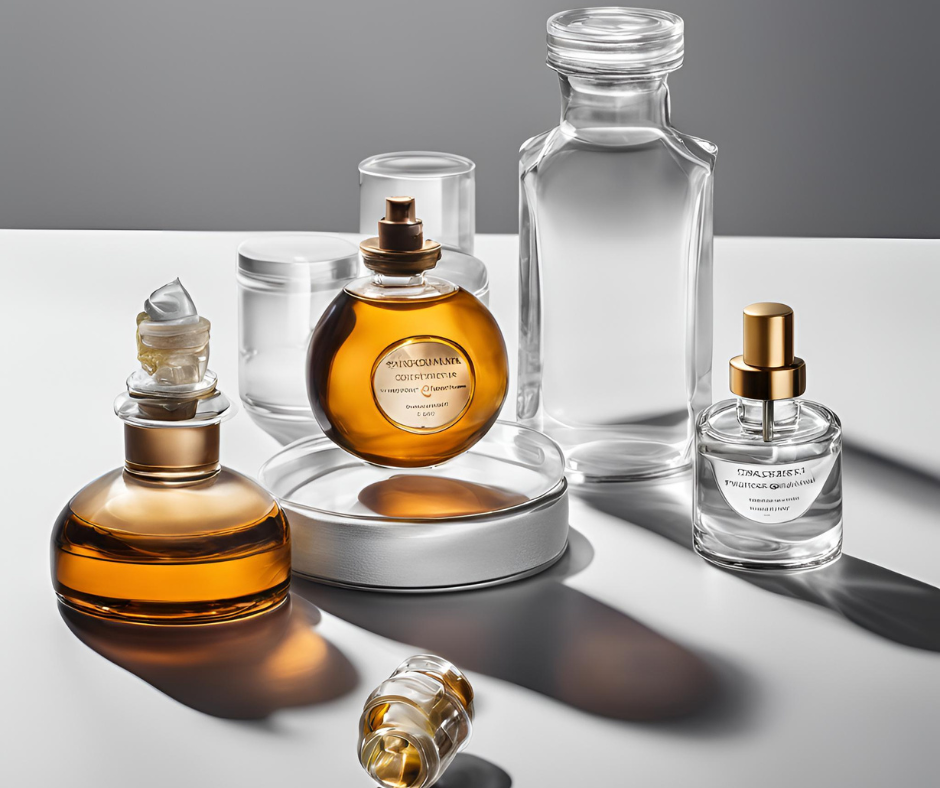
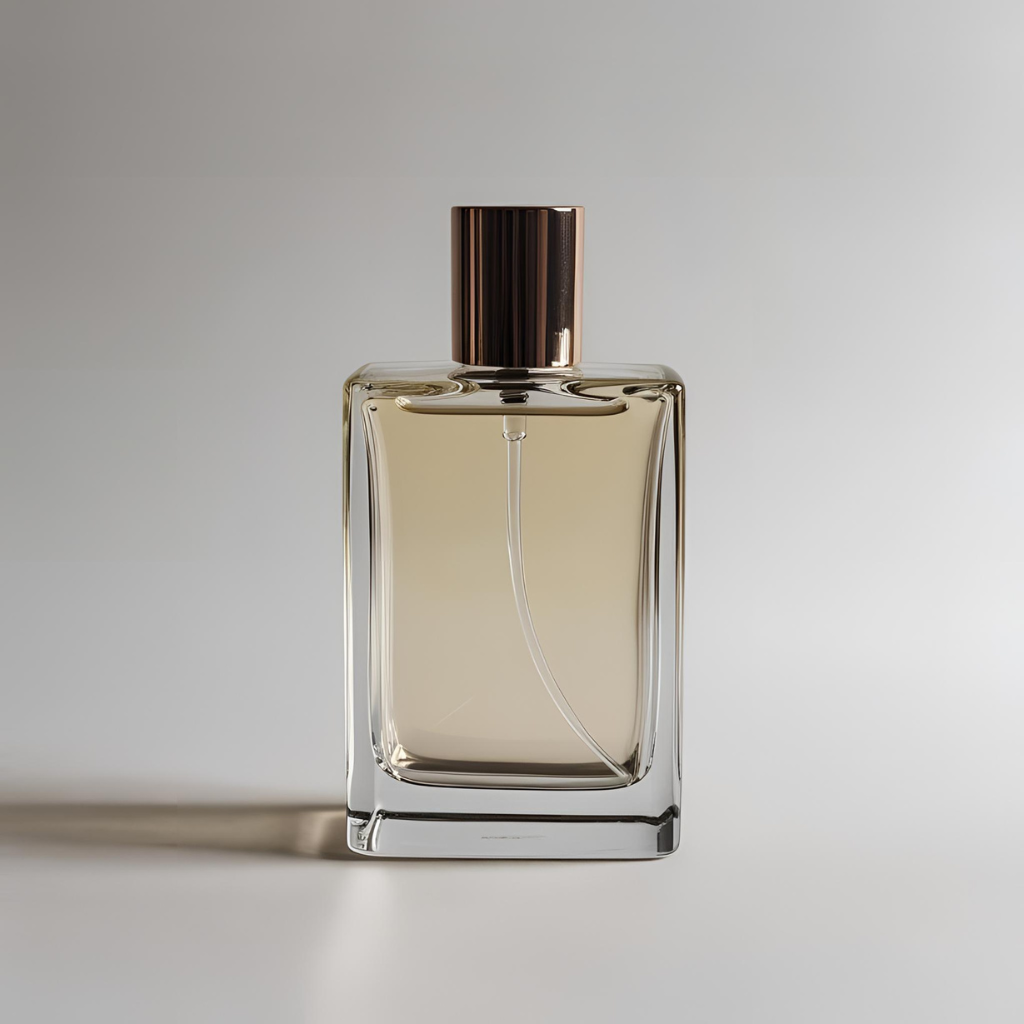
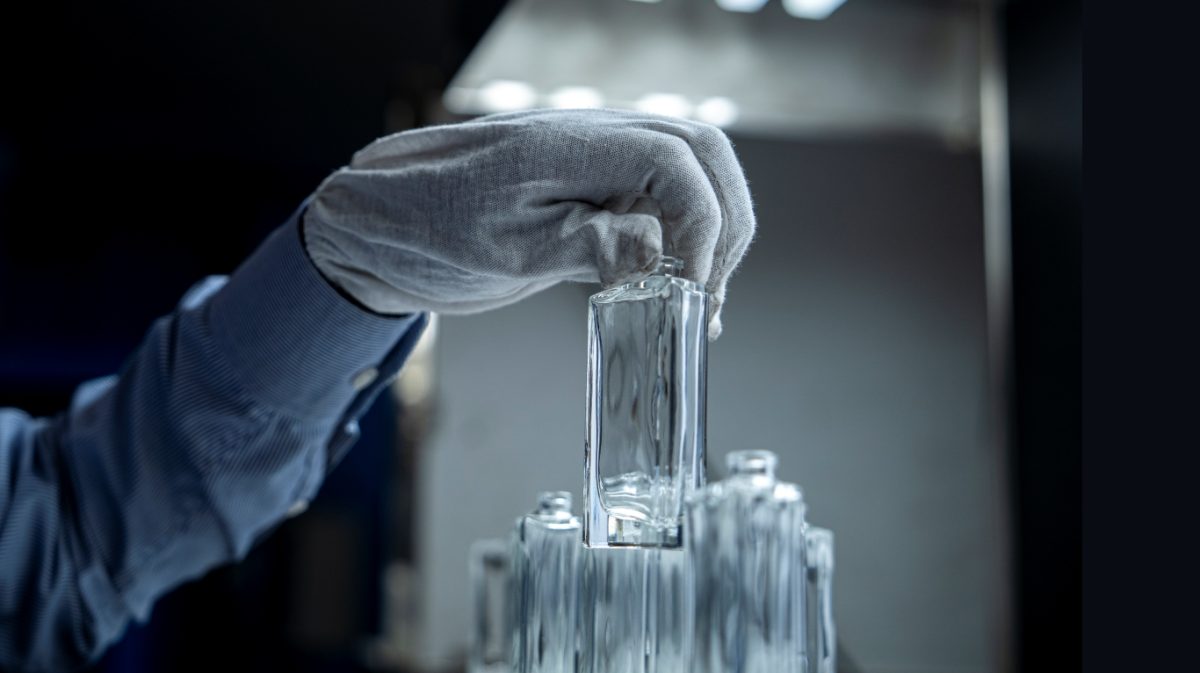
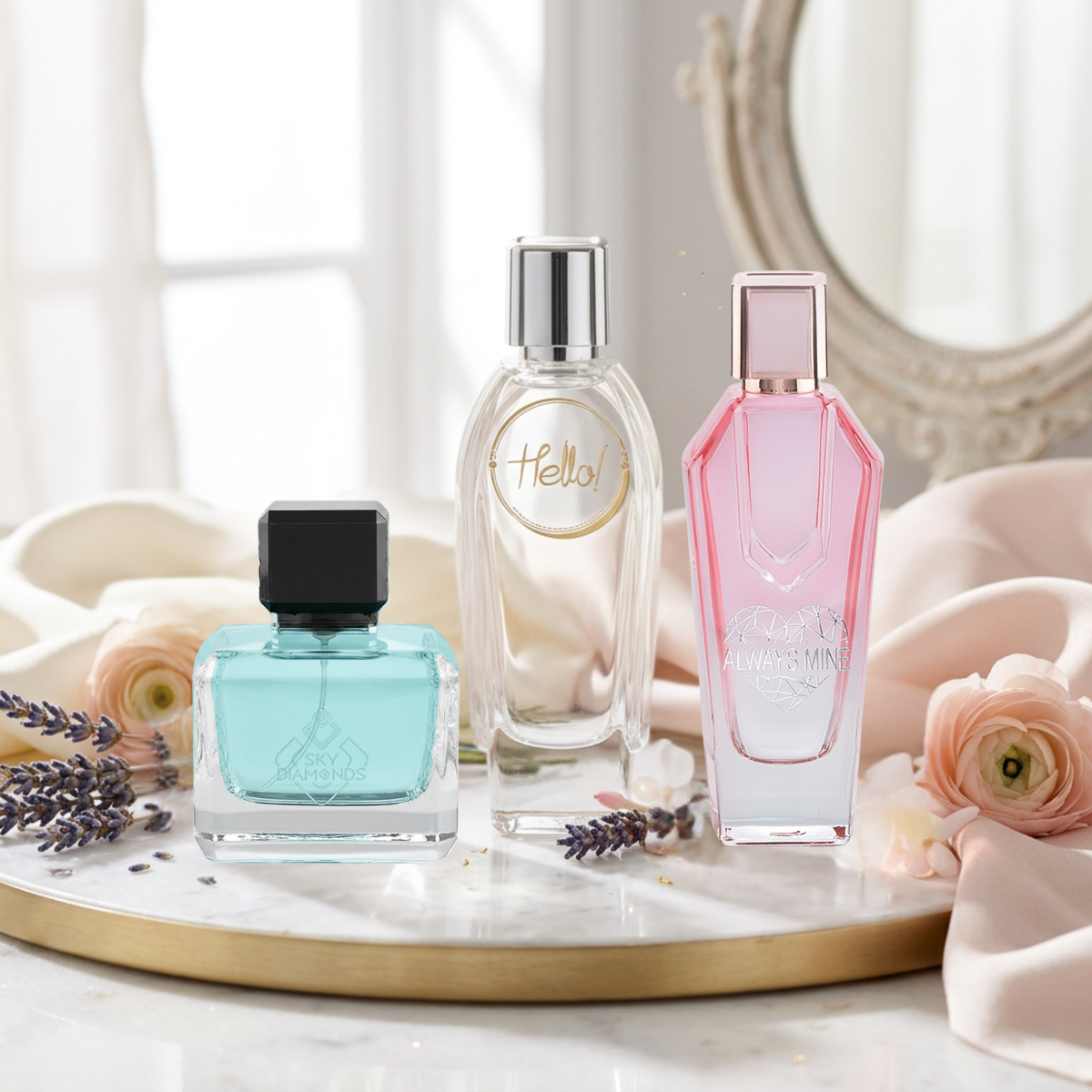
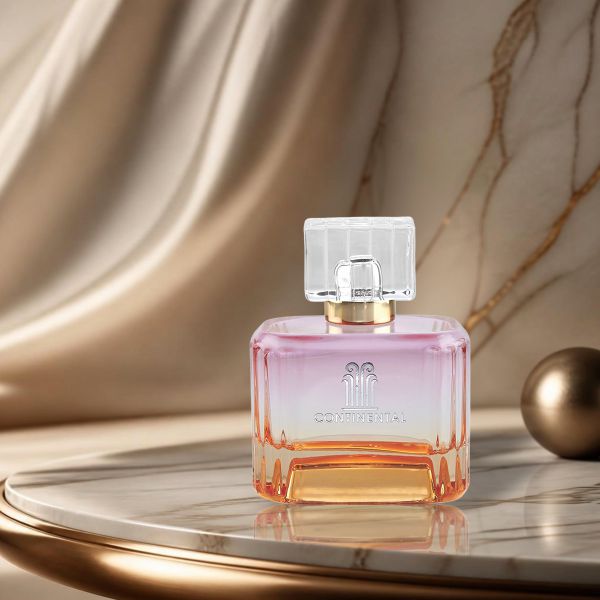
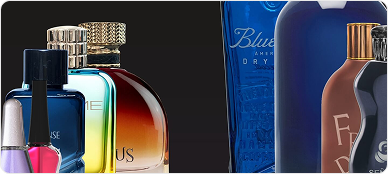
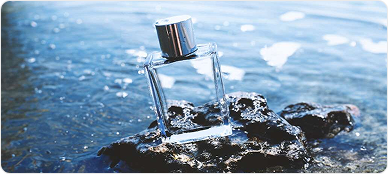
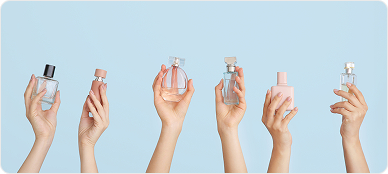
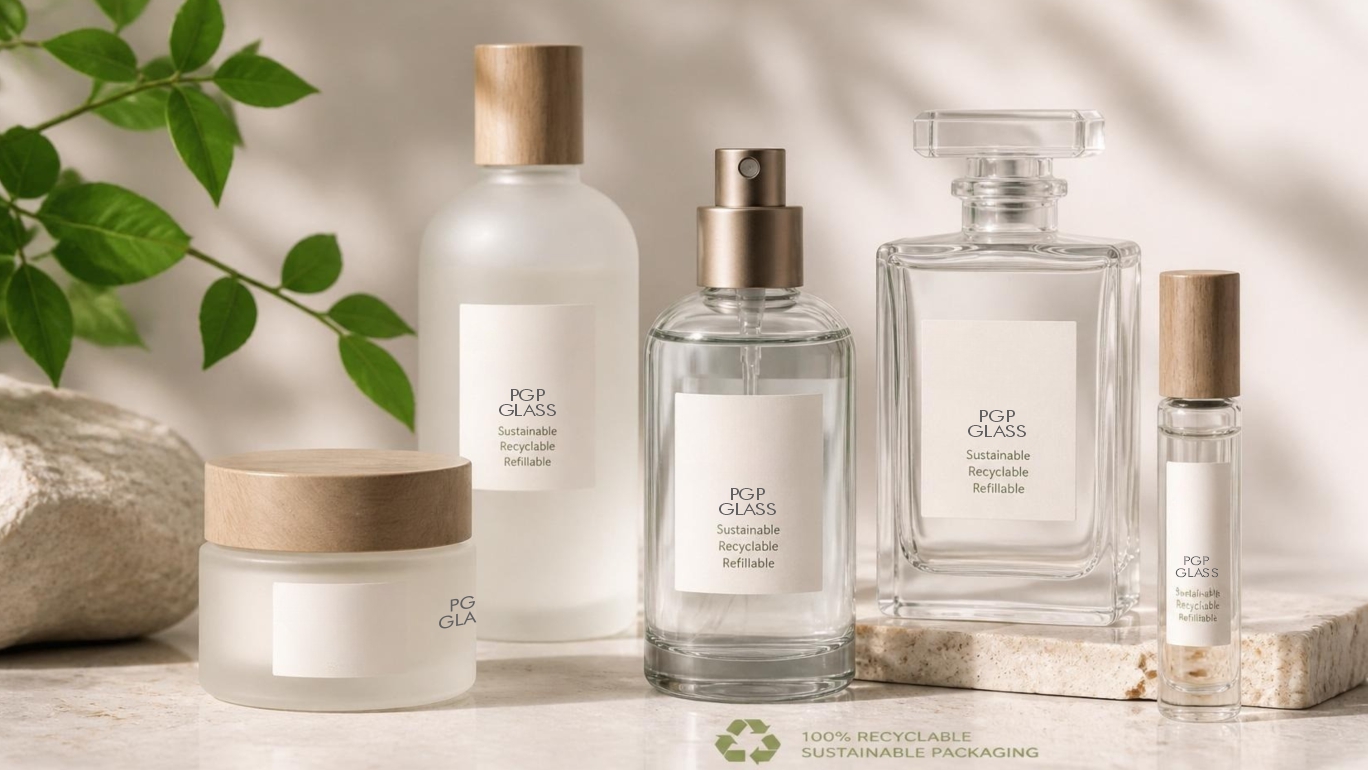
Glass, when designed properly, holds up well. It can handle repeated use without losing its shape or strength, which is one reason it continues to be used in premium segments. Take a perfume bottle as an example. It’s usually designed with careful attention to thickness, finish, and closure so that it performs consistently. Once the product is used, an empty perfume bottle doesn’t necessarily become waste right away. It can be refilled or reused in different ways, which extends its life without additional processing. That kind of extended use supports sustainable packaging in a direct, practical sense.
Design Engineering and Functional Longevity
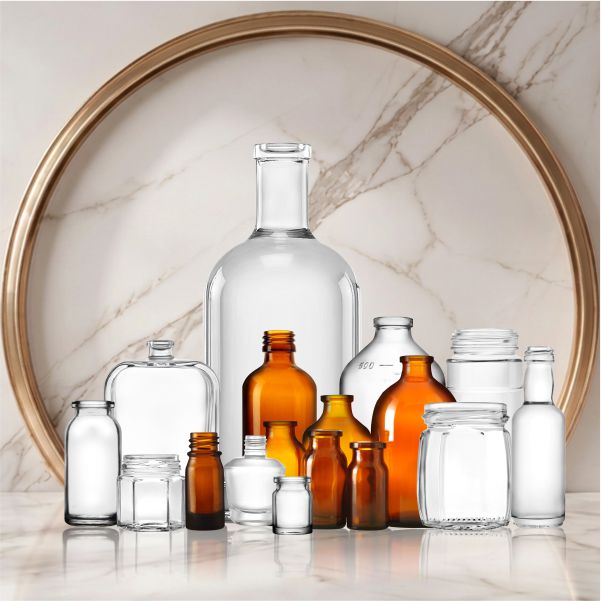
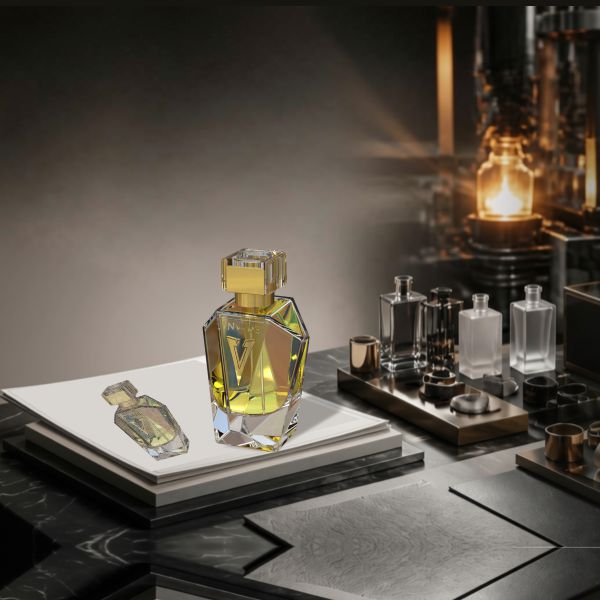
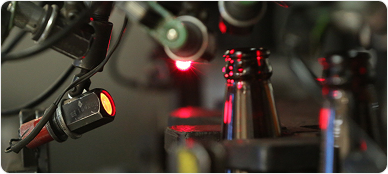
There’s also a technical side to how glass is shaped and finished. The mould, the cooling process, and even surface treatments influence how the final container performs. In perfume packaging, these details matter because the container is often handled and expected to maintain both its appearance and function. For manufacturers, this means designing glass bottles that can handle repeated use without issues like surface wear or closure misalignment. You’ll often see similar thinking applied across formats, including empty jars for cosmetics, where consistency in design and performance is just as important.
Glass Sustainable Packaging Lifecycle Considerations
A lot of the discussion around glass sustainable packaging comes down to what happens after the first use. Glass has an advantage here because it can go through multiple recycling cycles (Glass recycling) without losing clarity or strength. In practical terms, this means glass bottles can stay within the production loop for longer. When collection and reprocessing systems are in place, the material doesn’t drop out of use but simply moves into the next cycle.
From a manufacturing perspective, glass is less about reinvention and more about reliability. It performs consistently, supports controlled production processes, and allows for reuse and recycling without major compromises. For luxury brands working with sustainable packaging, glass bottles offer a material choice that fits both technical requirements and longer-term thinking, without needing to overstate their role.