









July 15, 2026
The Importance of Glass Bottle Quality in France Luxury Perfume Market
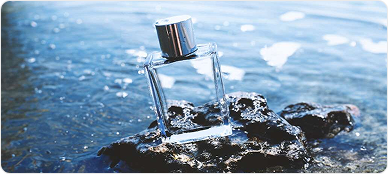
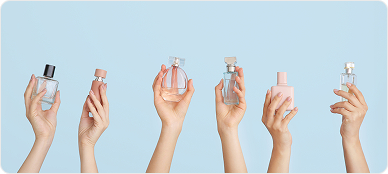
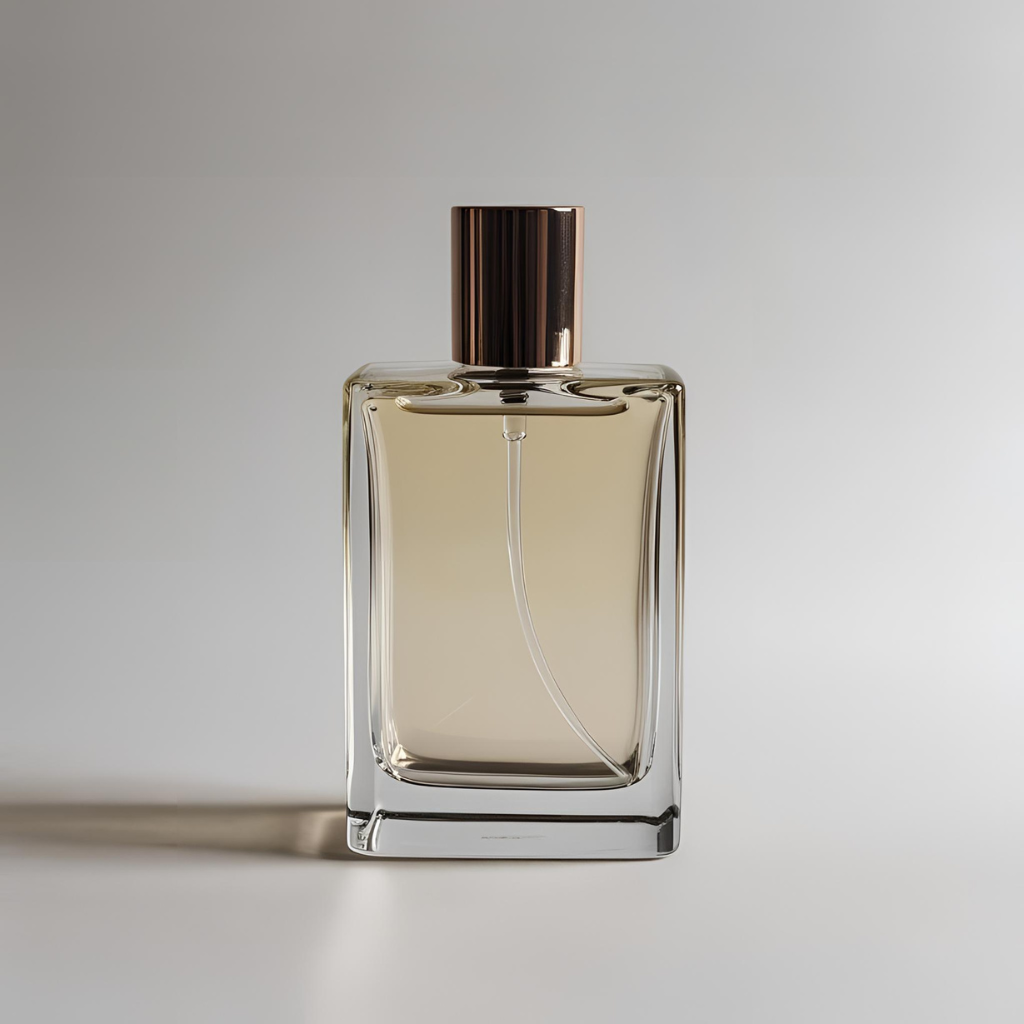
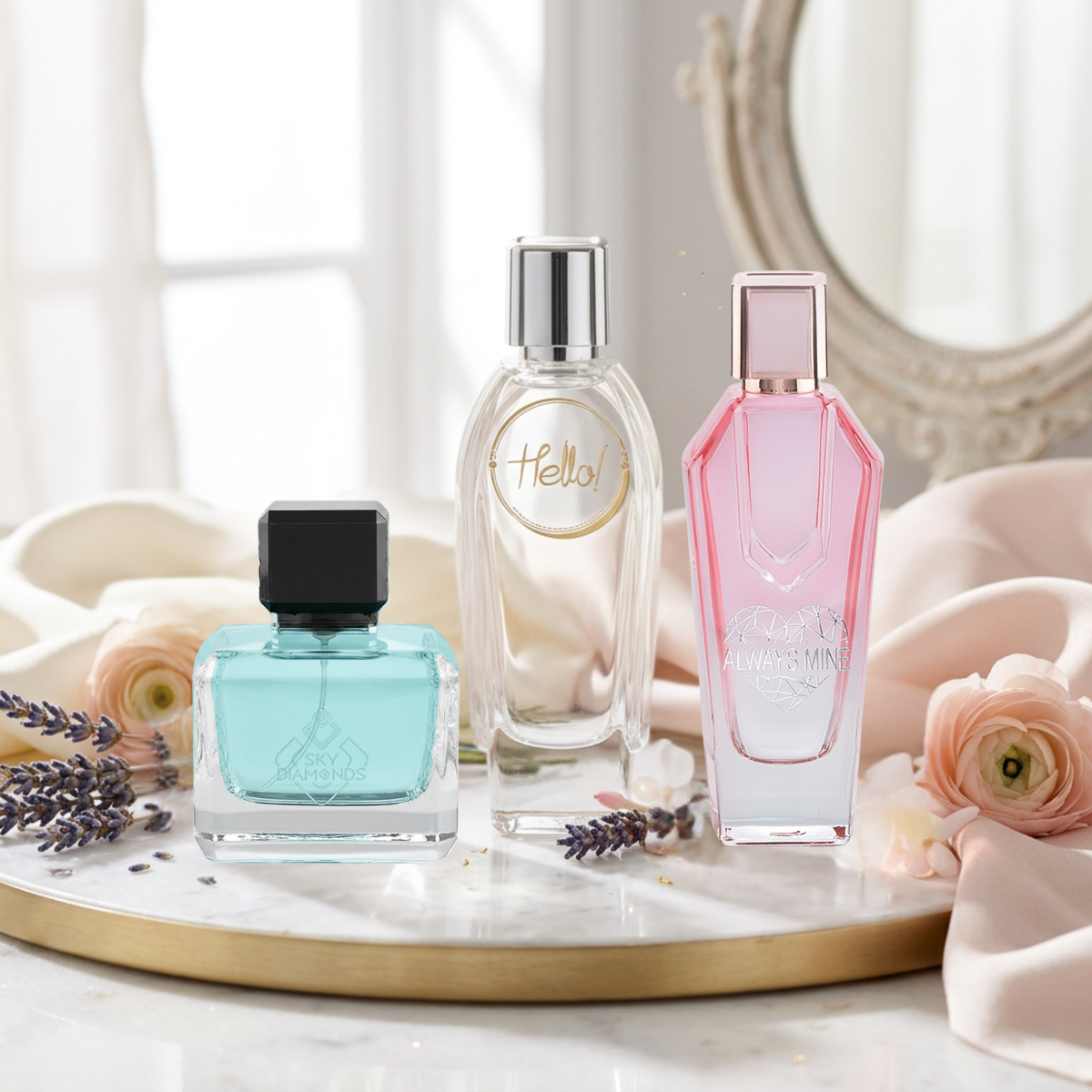
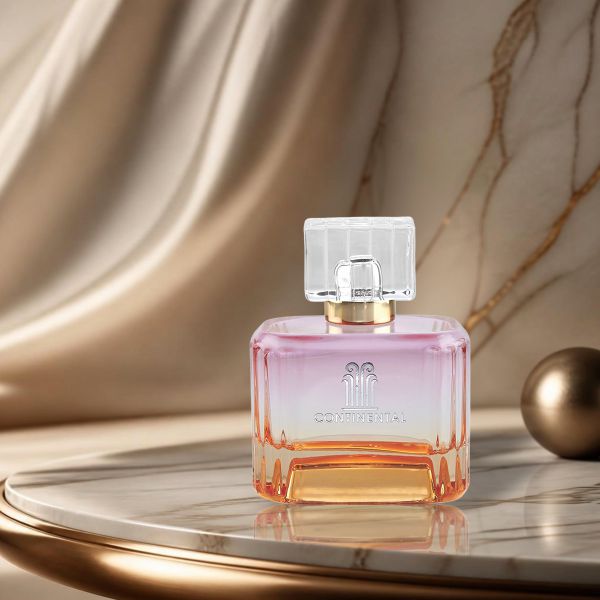
A fragrance is often remembered for its scent, but that’s rarely where the experience begins. Long before the first spray, there’s the bottle itself. It sits on a shelf, catches the light, feels a certain way in the hand. In many cases, it creates expectations before the fragrance has even been tested. In France, where perfume has long been related to craftsmanship and attention to detail, the quality of a perfume bottle is rarely treated as a minor consideration. It plays a practical role, of course, but it also shapes how a fragrance is presented, protected, and ultimately experienced.
Why Glass Continues to Matter
There are plenty of reasons glass remains closely associated with fragrance packaging. Some are technical, others are visual. Glass doesn’t react with the fragrance inside it, which helps maintain the character of the formulation over time. For perfumers, stability matters. At the same time, glass offers something less measurable. It has a certain permanence. A well-made perfume bottle feels substantial in a way that many other materials do not. The clarity of the glass, the weight of the container, even the way it reflects light all contribute to the overall perception of the product. This combination of function and presentation explains why glass remains such an important material in perfume packaging.
Quality Begins Long Before Decoration
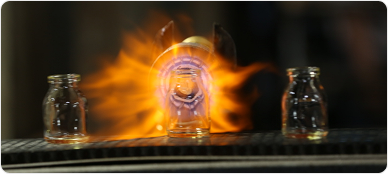
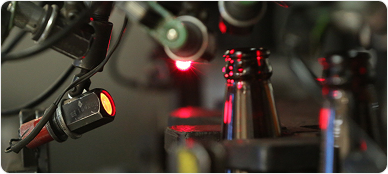
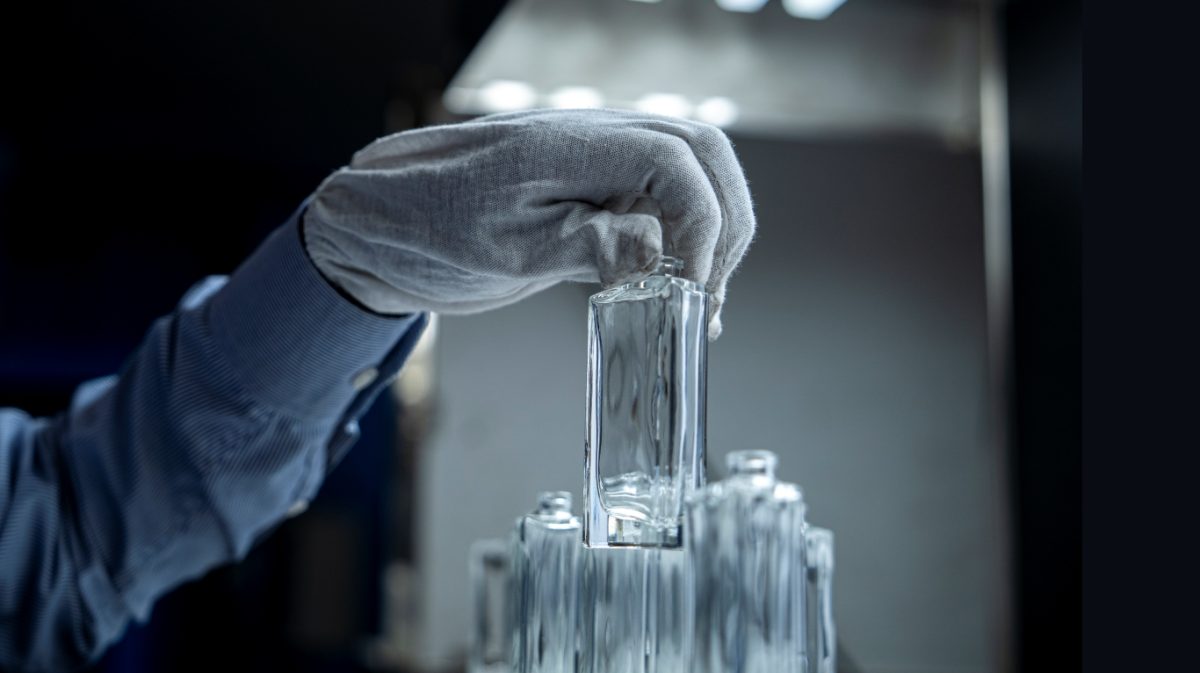
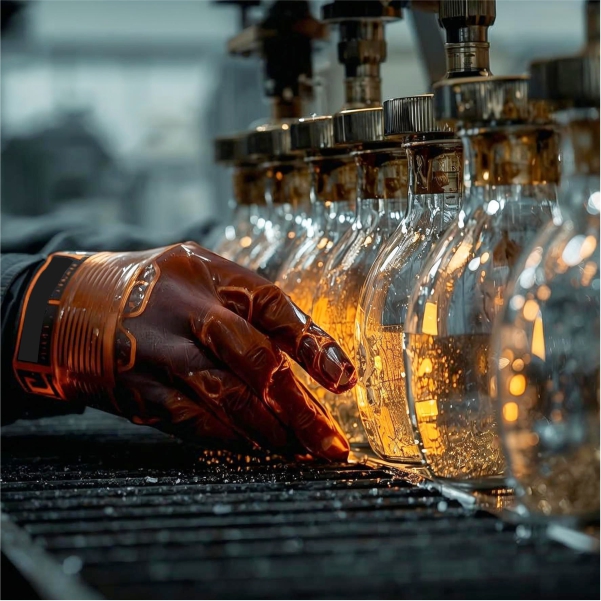
When people think about fragrance bottles, they often notice the decorative elements first – coatings, colours, printing, or intricate shapes. What tends to go unnoticed is the amount of precision required before any of those details are added. The manufacturing process starts with molten glass being shaped under carefully controlled conditions. Temperature fluctuations, mould accuracy, and cooling rates all influence the outcome. Something as simple as uneven wall thickness can affect durability, while minor variations around the neck finish may create challenges during filling and assembly. A perfume bottle that looks effortless usually requires considerable control behind the scenes.
The Value of Durability
Luxury products are often designed to last beyond their immediate purpose. Perfume packaging is no exception. Many consumers keep a perfume bottle long after the fragrance has been used, whether for display, collecting, or personal attachment.
Because of this, an empty perfume bottle is often judged differently from disposable packaging. It remains visible. Small imperfections that might go unnoticed during a short product lifecycle become more apparent over time. A well-manufactured empty perfume bottle retains its clarity, finish, and structure long after the last drop of fragrance is gone. That durability is not accidental; it comes from careful control during production.
Protection Is Part of the Design
While appearance receives a lot of attention, protection remains one of the bottle’s primary responsibilities. Fragrance formulations contain a complex balance of ingredients that need a stable environment. Exposure to external factors can gradually affect performance. This is one reason why material quality remains central to perfume packaging. The glass acts as a barrier while also supporting storage, transport, and everyday handling. In practice, the container becomes part of the product’s preservation system.
Beyond Fragrance
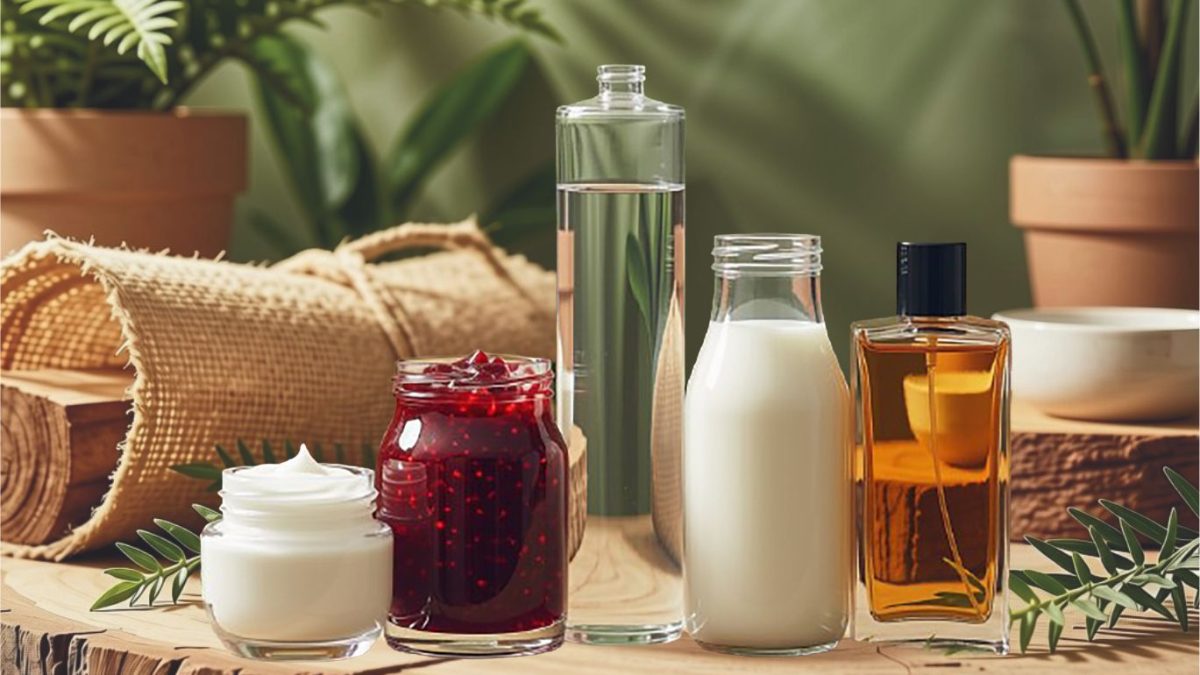
Interestingly, many of the same manufacturing principles used for perfume bottles appear in other premium packaging formats. The precision required to produce an empty perfume bottle is often reflected in products such as empty jars for cosmetics, where consistency and finish are equally important. Across categories, the underlying challenge remains similar: creating glass packaging that performs reliably while maintaining its visual quality throughout its lifespan.
The relationship between fragrance and glass goes far beyond aesthetics. Every perfume bottle represents a combination of design decisions, manufacturing expertise, and material knowledge. In France’s luxury fragrance market, glass continues to play a role that is both practical and expressive. Whether protecting a formulation or remaining on display years later as an empty perfume bottle, the quality of the glass influences how the product is experienced long after it leaves the production line.
Material Stability and Product Integrity
One of the reasons glass continues to be used across categories like fragrance and personal care comes down to how stable it is. It doesn’t react with what it holds, which makes it reliable for formulations that need to remain unchanged over time. From a manufacturing point of view, this stability shows up in small but important ways. Glass bottles tend to behave predictably during filling and sealing, and they maintain that consistency during storage as well. Over a full product lifecycle, that kind of reliability supports sustainable packaging by reducing the chances of spoilage or compatibility issues.
Manufacturing Processes and Resource Efficiency
Producing glass does involve high temperatures, and that’s always been part of the conversation. What’s shifting, though, is how manufacturers are managing that energy. The use of recycled glass, often referred to as cullet, has become more common, and it makes a noticeable difference. When cullet is added back into the production process, it melts at a lower temperature than raw materials. That, in turn, reduces the amount of energy needed. Over time, this approach allows glass bottles to fit into a more circular system, where the same material can be reused without losing its core properties. In this way, sustainable packaging is tied to how the material moves through the system.
Structural Durability and Reuse Potential
Glass, when designed properly, holds up well. It can handle repeated use without losing its shape or strength, which is one reason it continues to be used in premium segments. Take a perfume bottle as an example. It’s usually designed with careful attention to thickness, finish, and closure so that it performs consistently. Once the product is used, an empty perfume bottle doesn’t necessarily become waste right away. It can be refilled or reused in different ways, which extends its life without additional processing. That kind of extended use supports sustainable packaging in a direct, practical sense.
Design Engineering and Functional Longevity
There’s also a technical side to how glass is shaped and finished. The mould, the cooling process, and even surface treatments influence how the final container performs. In perfume packaging, these details matter because the container is often handled and expected to maintain both its appearance and function. For manufacturers, this means designing glass bottles that can handle repeated use without issues like surface wear or closure misalignment. You’ll often see similar thinking applied across formats, including empty jars for cosmetics, where consistency in design and performance is just as important.
Glass Sustainable Packaging Lifecycle Considerations
A lot of the discussion around glass sustainable packaging comes down to what happens after the first use. Glass has an advantage here because it can go through multiple recycling cycles (Glass recycling) without losing clarity or strength. In practical terms, this means glass bottles can stay within the production loop for longer. When collection and reprocessing systems are in place, the material doesn’t drop out of use but simply moves into the next cycle.
From a manufacturing perspective, glass is less about reinvention and more about reliability. It performs consistently, supports controlled production processes, and allows for reuse and recycling without major compromises. For luxury brands working with sustainable packaging, glass bottles offer a material choice that fits both technical requirements and longer-term thinking, without needing to overstate their role.
Other Blogs






April 3, 2026
Glass Containers Vs Plastic: A 2025 Life Cycle Analysis of Eco-Conscious Brand Managers

September 3, 2026
Fragrance Bottle Manufacturers: Design, Material Selection, and Production Insights